

The best of the dog nail grinders for large dogs is the Dremel 7760-PGKD Deluxe Pet Nail Trimming Kit, because it pairs a variable speed switch with a nail guard that sets the angle for you, which is exactly the combination a Rottweiler or Great Dane nail needs. If you want to spend far less, the Casfuy 6-Speed does the same job more slowly. Big dogs grow thick, dense nails that dull cheap sanding bands fast and make clippers feel like a gamble, so the tool matters more here than it does on a beagle.
Amazon Associate disclosure: As an Amazon Associate we earn from qualifying purchases. This post contains Amazon affiliate links; if you click and buy, we may earn a small commission at no extra cost to you. See our Disclosures page for details.
Price tiers last checked: August 15, 2026. Tiers compare the picks in this guide, not the whole market. Use any Check Price link for the current price on Amazon.
Recent updates (Aug 25, 2026): Top pick Dremel 7760-PGKD re-checked live: in stock, unchanged.
Dog Nail Grinders for Large Dogs at a Glance
| Pick | Price tier | Power | Speed control | Best for |
|---|---|---|---|---|
| 1. Dremel 7760-PGKD Deluxe Pet Nail Trimming Kit | Premium | 4V USB rechargeable | Variable speed switch | Thick giant-breed nails |
| 2. Casfuy Upgraded Quiet 6-Speed | Budget | Rechargeable | 6 fixed speeds | Best value |
| 3. Wahl Grind & Smooth Cordless | Mid-range | Battery powered | Single speed | Dogs who hate charging-base whine and mid-session dropouts |
Why Dog Nail Grinders Beat Clippers on Big Nails
A 90lb dog’s nail is not a scaled-up version of a small dog’s nail. It is denser, the quick sits further forward, and the nail itself is often opaque, so you cannot see where the blood supply ends. Clippers force a single irreversible decision. Dog nail grinders let you take off a millimetre, look, and take off another.
There is a second reason that matters more than most owners realise. Overgrown nails change how a dog stands. The nail hits the floor first, the toe rotates back, and the load shifts up the leg into the wrist and shoulder. On a breed already carrying joint risk, that is not cosmetic. If your dog is already slipping on hard floors, a grind plus better traction does more than either alone, which is why our guide to ramps and stairs for large dogs keeps coming back to nail length as the free fix people skip.
Grinding also leaves a rounded edge instead of a chisel. That is the difference between a dog who shreds a bed cover in a week and one who does not, and it is worth doing before you spend money replacing the bed itself.
Types of Dog Nail Grinders
Rotary tool grinders
These are shrunk-down versions of the rotary tools in a garage, and Dremel more or less invented the category. They spin fast, they hold speed under load, and they take standard sanding bands you can buy anywhere. They are also the loudest option and the heaviest in the hand.
Dedicated pet grinders
Purpose-built pet units are quieter, lighter, and usually cheaper. They trade torque for that. On a Lab they are fine. On a mastiff you will spend longer per nail and the grinding wheel will glaze sooner. Most of the units in this class use a diamond bit grinding wheel with two or three port sizes rather than a replaceable sanding band.
Battery grinders
A battery unit has one real advantage: it never sits dead on the counter when you finally have your dog calm and cooperative. Rechargeables die at the worst moment. Disposable cells cost a little over time, but you can carry spares in the grooming drawer and never lose a session.
Nail grinder heads on grooming kits
Most all-in-one grooming vacuum kits now include a nail grinder head that runs off the canister motor. It works for a touch-up, but it is single speed and tethered to a hose, which is awkward on a back paw. If you are buying one of those kits anyway, our dog grooming vacuum roundup covers which ones include the head, and treat it as a bonus rather than a replacement for a dedicated tool.
Best Dog Nail Grinders: Our Top Picks
1. Dremel 7760-PGKD Deluxe Pet Nail Trimming Kit
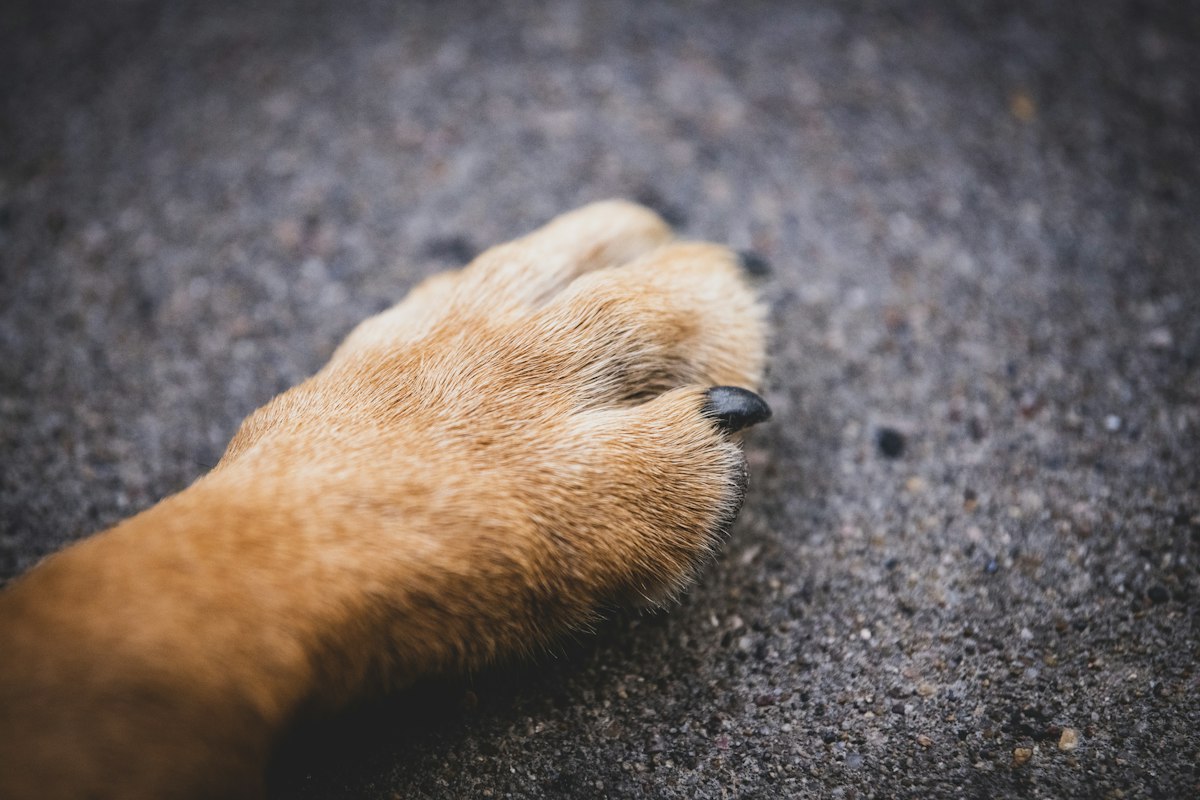
This is the one to buy if your dog is genuinely large. The variable speed switch is the feature that matters: you start slow while the dog settles, then bring the speed up for the thick outer wall of the nail without swapping tools. Dremel ships it with a nail guard attachment built around a 45 degree angled paw guide, which quietly solves the beginner’s problem of grinding straight into the quick because you had the tool at the wrong angle. The tool runs 7.5 inches long on a 4V USB-rechargeable lithium-ion battery, and Dremel backs it for two years. It costs about as much as a few groomer visits.
Pros:
- Variable speed rather than fixed steps, so you can creep up on a nervous dog
- 45 degree angled paw guide takes the guesswork out of the approach angle
- Takes standard Dremel accessories, so replacement sanding bands are easy to find
- Two year warranty
- USB charging, no proprietary dock
Cons:
- More than double the price of the Casfuy
- Sanding accessories are consumable and cost extra
- Fewer ratings than the Casfuy, at 958 on Amazon versus 11,890
2. Casfuy Upgraded Quiet 6-Speed Electric Nail Grinder

This is the cheapest sensible entry point among dog nail grinders that will still cope with a big dog. Six speed steps give you more range than the usual two-speed budget units, and the two built-in LEDs are more useful than they sound: on a black nail you are working blind otherwise, and a bit of light on the cut face helps you spot the chalky ring before the quick. It is also the longest-established grinder in this roundup. It comes in orange, blue, and army green.
Pros:
- Longest track record of any grinder here
- Six speeds at a price where two is normal
- Two LEDs, which genuinely helps on dark nails
- Rechargeable, so no battery hunting
Cons:
- Cheapest of the three here, which usually means less warranty support if it fails
- Rated 7000 to 12000 RPM depending on speed step, on the lower end of the range for this style of tool
- Expect longer sessions on giant-breed nails than the Dremel needs
3. Wahl Grind & Smooth Cordless Battery Pet Nail Grinder
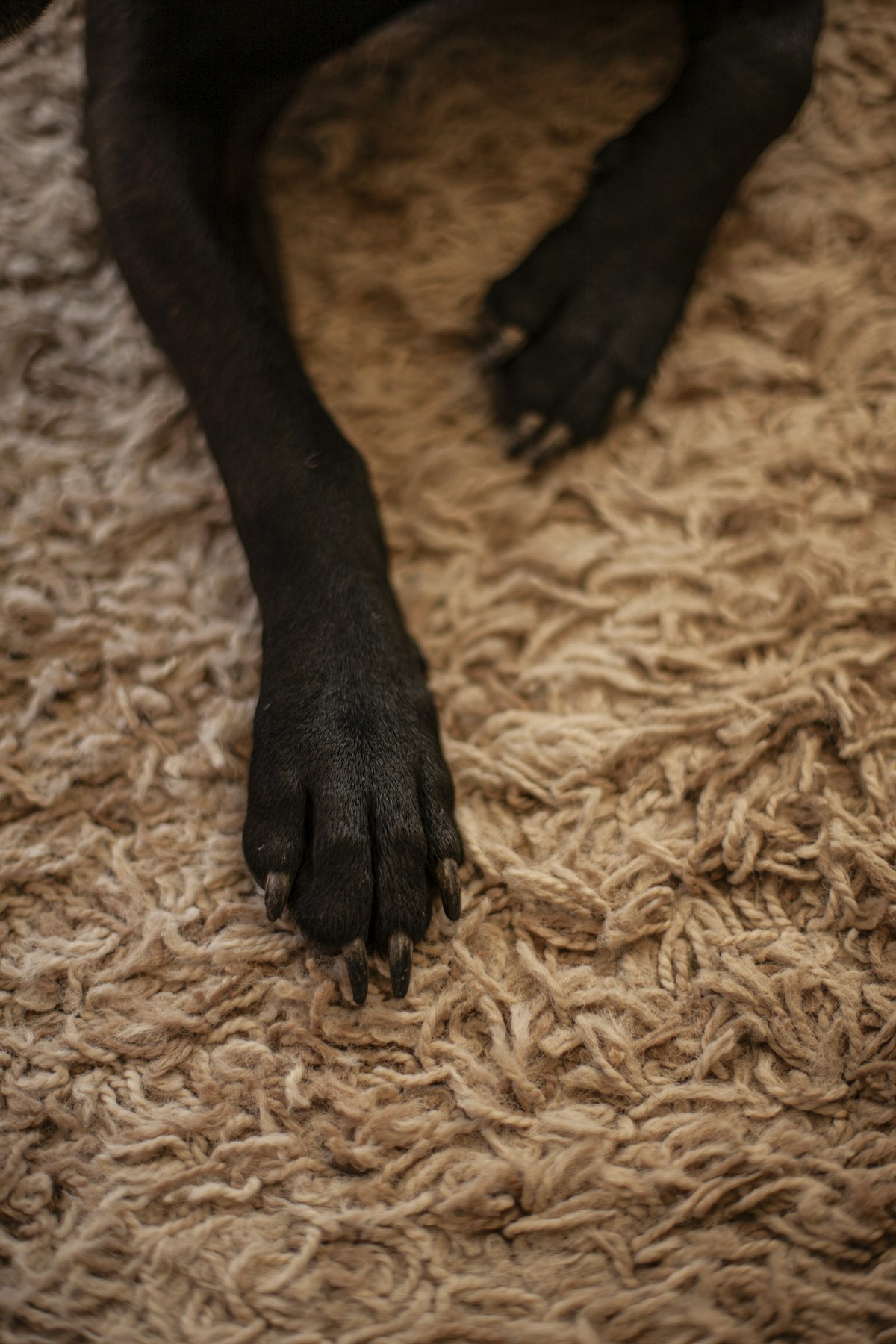
Wahl has been making animal clippers for decades and the Grind & Smooth is the plainest tool here, which is the point. It is battery powered rather than rechargeable, so there is no charge cycle to plan around and no dead unit when your dog is finally lying still. It sits between the Casfuy and the Dremel on price, and Wahl sells a cheap replacement Nail Grinder Accessory Kit when the bands wear. Worth knowing before you shop: Wahl sells a second, pricier Grind & Smooth variant, so check you are on the listing we link.
Pros:
- Batteries mean it always works when you need it
- Cheap, findable replacement accessory kit
- Bought direct from a brand that has supported animal grooming tools for decades
Cons:
- No speed range, so you cannot ease a nervous dog in gradually
- Wahl does not publish a decibel rating, so quietness is unverified
- A pricier sibling model exists, so check the listing before you buy
How to Choose Between Dog Nail Grinders
Four things decide whether a grinder works on a big dog, and price is not one of them.
- Speed control. Variable beats fixed steps, and fixed steps beat a single speed. You want to start under the noise threshold that spooks your dog and finish with enough surface speed to cut dense nail.
- A guard. Any guide that fixes the angle between tool and nail will save you one bad grind, and one bad grind can cost you six months of cooperation.
- Runtime for eighteen nails. Four paws, four or five nails each, plus dewclaws. If the tool dies at paw three you will not finish, and your dog learns that the session never ends.
- Replaceable abrasive. Sanding bands and grinding wheels are consumables. Check what a refill costs and whether you can buy it locally before you commit.
Noise deserves a mention on its own. Every one of these is quieter than a clipper is scary, but the pitch matters more than the volume. If your dog already tolerates a vacuum or a hair dryer, the grinder will be a non-event. If not, budget two weeks of desensitising before the first real trim.
There is a second reason to keep nails short on a big dog. Overgrown nails strike a hard floor before the pad does, which rotates the toe and costs the dog grip on wood, tile and laminate. If your dog has already started skating in the hallway, our guide to dog paw grips for hardwood floors covers what to do once trimming alone is not enough. Coat maintenance runs on the same schedule, and the right deshedding tools for a double coat are worth pairing with a grinder session.
Using Dog Nail Grinders Safely
- Grind in short bursts of two to three seconds per nail, then move on. Held in one place, friction heats the nail and the dog feels it before you do.
- Watch the cut face, not the tip. As you approach the quick a chalky white circle appears in the centre. Stop there.
- Tie back long feathering on the legs and keep loose fur clear of the spinning head. Hair wraps around the shaft fast.
- Keep styptic powder within reach before you start, not in another room.
- Do one paw a day for the first week. Finishing all four in one sitting is an owner goal, not a dog goal.
- Replace sanding bands when they stop biting. A glazed band generates heat instead of removing nail, which is the main cause of a dog who suddenly refuses.
- Trim every two to three weeks. On hardwood or laminate you will hear when you are late, which is one of the small tells covered in our apartment setup guide for big dogs.
- If your dog wears boots on walks, keep nails short or the boot fit goes wrong. Our dog boots roundup covers the sizing knock-on effect.
Work on a hard floor rather than carpet. Grinding throws a fine keratin dust that settles anywhere within a couple of feet, and it is far easier to run a robot vacuum over tile afterwards than to work that dust out of a rug.
Frequently Asked Questions
How often should you grind a large dog’s nails?
Every two to three weeks for most large dogs. Dogs walked daily on pavement wear their nails down naturally and can stretch to a month. Dogs on grass and carpet need the shorter interval. The practical test is sound: if you can hear nails clicking on a hard floor while the dog walks normally, you are overdue.
Are dog nail grinders better than clippers for large dogs?
For most owners, yes. Clippers are faster in trained hands, but they remove nail in one committed bite, and on a thick opaque nail you cannot see the quick to aim. Grinders remove nail gradually and leave a rounded edge that will not catch on bedding or scratch floors. Many owners use both, clipping the bulk off long nails and grinding to finish.
Will a nail grinder hurt my dog?
Not if you keep contact brief. The nail itself has no feeling, but sustained grinding in one spot builds heat that travels into the quick, and that is what dogs react to. Two to three seconds per nail, then move on and come back. If your dog pulls away sharply, check whether the sanding band has glazed over, because a worn band produces heat rather than progress.
How long does it take to grind a large dog’s nails?
Ten to fifteen minutes for a cooperative dog once you have a routine, and considerably longer the first few times. A variable speed tool with fresh abrasive is quicker on giant-breed nails than a single-speed budget unit, which is most of what you are paying for at the top of this list. Splitting the job across paws over several days is normal and usually produces a calmer dog than one long session.
Which One Should You Buy?
- Best overall: Dremel 7760-PGKD, for variable speed and the 45 degree paw guide
- Best value: Casfuy 6-Speed, the cheapest pick here
- Most dependable: Wahl Grind & Smooth, because batteries never leave you stranded mid-paw
- Grind every two to three weeks and stop at the chalky ring
- Replace worn sanding bands early, since a glazed band is the usual reason a dog starts refusing
Whichever you pick, the tool is the easy part. The habit is what keeps your dog’s toes sitting flat and their wrists loaded the way they should be.
Get the free Big-Dog Gear Starter Checklist
The exact gear a large dog actually needs, with our #1 pick in every category, from bowls to GPS trackers. Enter your email and we’ll send the printable checklist straight to your inbox (plus the occasional big-dog gear guide, no spam).