
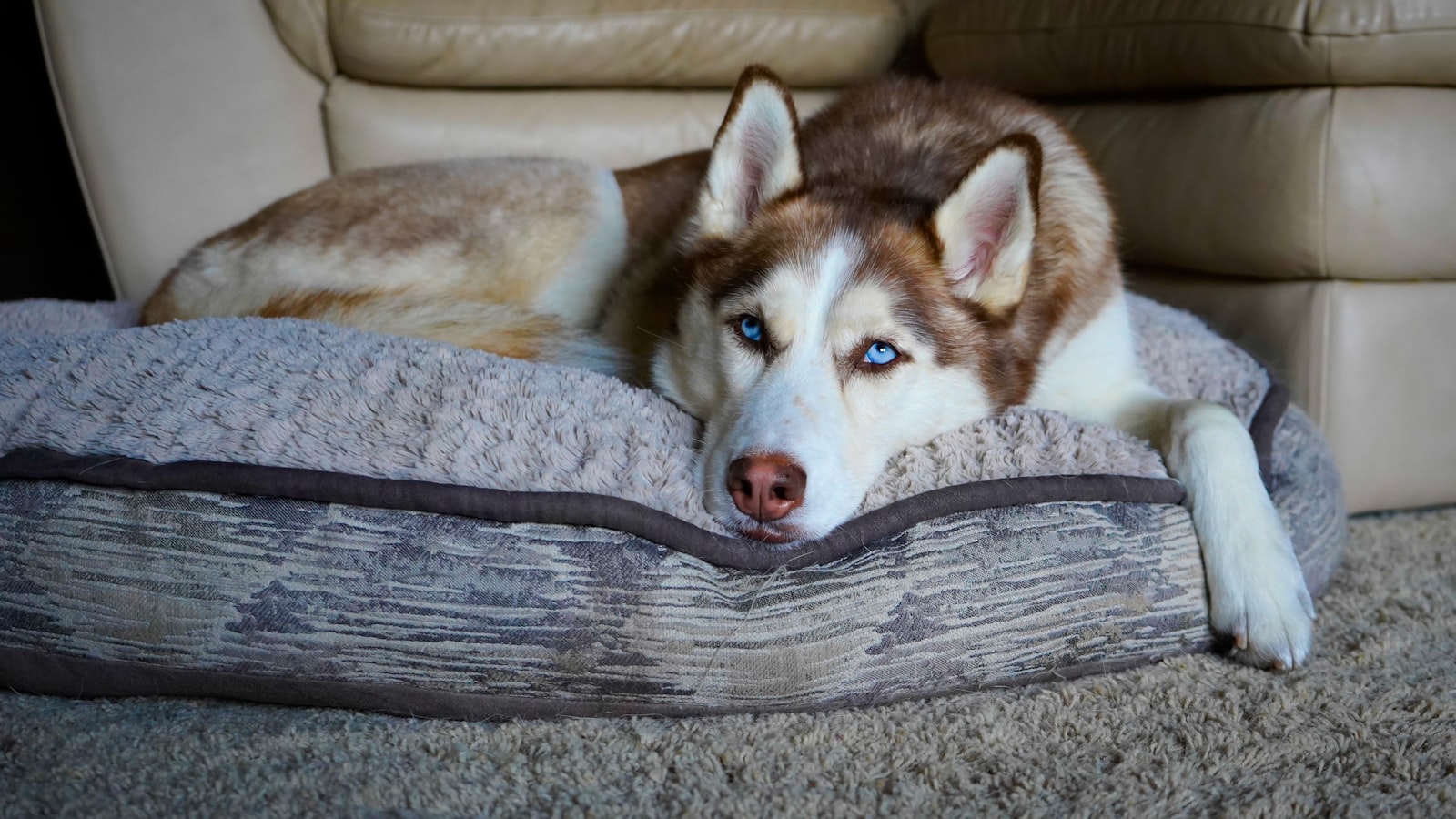
A husky in May can leave enough undercoat on the floor to stuff a cushion, and the brush in your kitchen drawer is probably not touching the layer that matters. The deshedding tools for double coated dogs that actually work share one feature: teeth long enough to slide past the guard coat and lift dead undercoat out from underneath it. Our first pick is the Coastal Pet Safari Undercoat Rake, because it does the job that matters most and costs about what a bag of treats does. Six tools are compared below on tooth design, price and how long each has been on the market.
Amazon Associate disclosure: As an Amazon Associate we earn from qualifying purchases. This post contains Amazon affiliate links; if you click and buy, we may earn a small commission at no extra cost to you. See our Disclosures page for details.
Price tiers last checked: August 24, 2026. Tiers compare the picks in this guide, not the whole market. Use any Check Price link for the current price on Amazon.
Recent updates (Aug 25, 2026): All six picks re-checked live against brand and Amazon listings: none discontinued or out of stock. The Coastal Pet Safari Rake’s Amazon price has drifted down; it stays the top pick on merit. Andis comb’s prior “stock has been thin” caution is out of date; current listings show healthy stock.
Deshedding Tools for Double Coated Dogs at a Glance
| Pick | Type | Best for | Price tier |
|---|---|---|---|
| 1. Coastal Pet Safari Undercoat Rake | Undercoat rake | Best overall | Budget |
| 2. Chris Christensen Big G Slicker, Large | Slicker brush | Best slicker for a big coat | Premium |
| 3. FURminator Large Dog Undercoat deShedding Tool, Long Hair | Blade deshedder | Long double coats over 50 lbs | Premium |
| 4. SleekEZ Deshedding Brush | Blade and comb hybrid | Short double coats | Mid-range |
| 5. Andis 65730 Stainless-Steel Comb | Finishing comb | Checking your own work | Mid-range |
| 6. Maxpower Planet Dog Grooming Rake | Double-sided rake | Best budget all-rounder | Budget |
Why a Double Coat Changes the Tool You Need
A double coat is two coats stacked. On top sit coarse guard hairs that shed water and block sun. Underneath is a dense woolly layer that insulates, and that layer is what comes out in clumps every spring and autumn. Huskies, German Shepherds, Golden Retrievers, Bernese, Malamutes and most Labs all carry one.
The problem with an ordinary pin brush is reach. It works the top of the coat, feels productive, and leaves the undercoat exactly where it was. Meanwhile the dead wool packs down against the skin, holds damp, and on a thick-coated dog that is how hot spots begin. Deshedding is skin care on these breeds, not a cosmetic step.
The second thing that changes is scale. A 75 lb Shepherd carries roughly ten times the coat of a terrier, so a small brush head turns a twenty minute job into an hour, and the dog runs out of patience long before you run out of fur. Tool width and tooth length matter more than the number of accessories in the box.
If the hair is already on your floor rather than on the dog, a rake is only half the answer. Pairing a weekly rake session with a robot vacuum built for dog hair is what actually keeps a house liveable through a coat blow, because the two jobs are different: one stops the hair leaving the dog, the other deals with what already did.
Types of Deshedding Tools for Double Coated Dogs
Undercoat rakes
A single or double row of long, rounded, widely spaced teeth on a handle. The teeth pass through the guard coat without cutting it and drag the loose undercoat out. Best for: heavy seasonal shedding on any thick-coated breed. This is the category to buy first, and both our best overall and budget picks sit here.
Slicker brushes
A flat or curved pad of fine bent wire pins. A slicker lifts and separates, clears the fluff a rake has loosened, and finishes the coat so it lies properly. Best for: after the rake, and for the feathering on legs and tails where a rake is clumsy. Quality varies enormously, and cheap slickers are the ones that scratch skin.
Blade-style deshedders
A short metal edge with fine teeth, closer to a clipper blade than a comb. These pull out a startling volume of undercoat quickly. They also cut guard hairs if you lean on them or run them over the same patch repeatedly, which is the single most common way owners damage a double coat. Best for: controlled, short sessions during a heavy shed.
Steel combs
Two tooth spacings on one bar, usually coarse at one end and fine at the other. A comb does not really remove bulk. What it does is tell you the truth about whether you are finished, and it finds mats behind the ears and in the trousers before they become a shave. Best for: the last five minutes of every session.
Best Deshedding Tools for Double Coated Dogs: Our Top Picks
1. Coastal Pet Safari Undercoat Rake: Best Overall

The Safari rake is a plain tool. One row of long rounded pins, a wooden-look handle, no moving parts, and very cheap. It is on this list first because it does the one thing that changes your week, which is emptying the undercoat, and it does it without a blade anywhere near the guard hairs. Coastal Pet has been making it for years, which is a longer track record than most of the newer arrivals in this category.
Coastal also sells a pricier double-row rotating-pin version. On a genuinely thick coat the simpler fixed-pin model is the one to get. Rotating pins are pitched at dematting, and a rake is the wrong tool for a real mat anyway.
Budget price tier, check current price.
Pros:
- Reaches undercoat without cutting guard hairs
- Cheapest serious tool here
- Long track record rather than a new listing
- Nothing to break, sharpen or replace
Cons:
- Narrow head, so a Malamute takes a while
- Will not finish a coat on its own, you still want a comb
2. Chris Christensen Big G Slicker Brush: Best Slicker for a Big Coat
The Big G is what a lot of show groomers reach for, and the head is the reason: it is wide, so a Golden takes a fraction of the passes a standard slicker needs. It costs noticeably less on Amazon than on Chris Christensen’s own store, though the listing does not always make the size obvious, so read the variant before you buy.
It is an absurd amount of money for a brush and we would still buy it for a double-coated dog you groom weekly for a decade. The pins are set in a flexible cushion, which is what keeps a slicker off the skin, and that is exactly where the cheap versions cut corners.
Premium price tier, check current price.
Pros:
- Wide head covers a large dog quickly
- Cushioned pin bed is gentler than budget slickers
- Long track record for a premium grooming tool
Cons:
- Costs more than the other five picks combined
- Brand store and Amazon prices differ, so compare before you buy
- A slicker alone will not clear a coat blow
3. FURminator Large Dog Undercoat deShedding Tool: The One Everyone Owns

FURminator is the name most owners already know, and the Large Long Hair version is specified for dogs over 50 lbs. It is genuinely effective. Owner reviews consistently describe the amount of undercoat it pulls in just the first couple of minutes as faintly alarming.
The caveat matters more than the praise. The working edge is a blade, not a comb, and used heavily it will thin and cut guard hairs. On a Shepherd or a Husky that damage takes a season to grow out. Short passes, light hand, once or twice during a shed rather than every evening. Used that way it earns its place. Used as a daily brush it is how double coats end up looking moth-eaten.
Premium price tier, check current price. . The Short Hair version of the same tool costs the same.
Pros:
- Removes a lot of undercoat fast
- Sized specifically for dogs over 50 lbs
- Ejector button clears the blade in one press
- Both long and short hair versions for large breeds
Cons:
- Cuts guard hairs if overused, and that is not reversible in the short term
- Roughly two and a half times the price of a plain rake
- Tempting to overuse precisely because the results look dramatic
4. SleekEZ Deshedding Brush: Best for Short Double Coats
SleekEZ is a wooden bar with a wavy toothed edge, originally a horse tool, and it suits the short dense coats that rakes skate over. A Lab, a Beagle, a short-coated Shepherd mix: this is the one that pulls hair those dogs are genuinely dropping. It is made in the USA and sits in the mid-range on price.
On a long coat it is the wrong tool and will snag, so match it to the dog rather than buying it because the reviews are good. It also has no ejector, so you clear it by hand, which is fine outdoors and messy on a rug.
Mid-range price tier, check current price.
Pros:
- Works on short dense coats that rakes miss
- Made in the USA
- No moving parts to fail
Cons:
- Snags on long coats
- Cleared by hand, not by a button
5. Andis 65730 Stainless-Steel Comb: Best Finishing Comb
A steel comb is the cheapest quality control you can buy. Coarse teeth at one end, fine at the other, and when it passes cleanly from skin to tip the session is over. Until then it is not. The Andis 65730 is inexpensive and effectively permanent.
It is also how you find trouble early. Mats form behind the ears, in the armpits and in the trousers, and a comb catches them while they are still brushable. Miss them for a month on a double-coated dog and the answer stops being a comb and starts being a groomer with clippers.
Mid-range price tier, check current price.
Pros:
- Tells you honestly when the coat is clear
- Finds mats while they are still fixable
- Lasts for years
- Solid steel, effectively permanent
Cons:
- Removes very little bulk on its own
6. Maxpower Planet Dog Grooming Rake: Best Budget All-Rounder

Two tooth densities on one head, flipped depending on whether you are pulling bulk or tidying, at a budget price. What sets it apart is how long it has been a steady seller at a budget price.
It is not as robust as the Safari and the handle is plastic, so treat it as a two or three year tool rather than a lifetime one. For a first rake on a dog that has just started blowing coat, at this price, that is a fair trade.
Budget price tier, check current price.
Pros:
- Two tooth densities in one tool
- Long-running budget favorite
- Same price as the Safari rake
Cons:
- Plastic handle, less durable than the Safari
- Wider spacing side is too coarse for fine feathering
How to Choose Deshedding Tools for Double Coated Dogs
Coat length picks the tool, not breed name. Long double coats such as Golden Retrievers, Bernese and rough-coated Shepherds want a rake with long teeth and a slicker to finish. Short double coats such as Labs and Malinois want a shorter-toothed tool or a blade-edge brush, because a long-toothed rake simply passes through without gripping anything.
Buy the width to suit the dog. Head width is the difference between a fifteen minute session and forty minutes on a 90 lb dog, and the length of the session is what decides whether it happens every week or twice a year. Tooth length should reach the skin without pressing on it.
Two tools beat one gadget. The pairing that covers almost every double-coated dog is a rake plus a comb, both budget buys. Add a slicker when you want the coat to look finished rather than merely emptied. Nothing in this category needs to be a premium purchase unless you groom weekly and enjoy it.
Consider where the hair ends up. If you are already running a grooming vacuum, its rake head duplicates most of what a hand rake does, and your gap is more likely a comb and a slicker. If you are not, plan on brushing outdoors or on a floor you can sweep.
Deshedding Without Damaging the Coat
Never shave a double coat to reduce shedding. The undercoat regrows faster than the guard coat and often comes back patchy, and you remove the layer that keeps the dog cool in summer as well as warm in winter. If heat is the concern, the fix is shade, water and something like a cooling mat, not clippers.
Work in the direction the hair grows and keep the pressure light. Deshedding tools are meant to remove hair that is already dead and detached. If the dog flinches or the skin pinks up, the tool is either pressed too hard or wrong for that part of the coat.
Bath first when the shed is heavy. Warm water and a thorough dry loosen the undercoat, and a rake through a clean dry coat pulls two or three times what it manages on a dirty one. Never rake a wet coat, though, because wet undercoat mats as it dries.
Keep sessions short and end them early. Fifteen good minutes twice a week beats an hour once a month for the coat and for the dog. That also happens to be the pattern that survives contact with a dog who has opinions. While the dog is standing still, it is a sensible moment to check nail length, which for big dogs matters more than most owners think and is covered in our guide to nail grinders.
Frequently Asked Questions
How often should I use deshedding tools for double coated dogs?
Once or twice a week for most of the year, rising to every other day during the spring and autumn coat blow. Short sessions work better than marathons, both for the coat and for the dog. A blade-style deshedder is the exception and should be used sparingly even in shedding season.
Will a rake or a deshedder stop my dog shedding?
No. Nothing changes how much hair a dog grows or drops. What these tools change is where the hair ends up, which is in your hand instead of on the sofa. Owners of double-coated breeds usually notice the difference in the house within two weeks.
Is the FURminator bad for double coats?
It is not bad, it is easy to overuse. The edge cuts as well as pulls, so heavy or repeated passes thin the guard coat and leave a dull patchy finish that takes a season to grow out. Used briefly during a shed, with a light hand, it is a good tool.
Should I shave my double coated dog in summer?
No. The undercoat insulates against heat as well as cold, and it regrows faster than the guard coat, so shaving often leaves a permanently altered texture. Deshedding removes the layer that traps heat while keeping the layer that reflects it.
What is the minimum kit for a large double coated dog?
An undercoat rake and a steel comb, both budget buys. The rake takes the bulk out and the comb tells you when you are done. Add a slicker brush if you want the coat to look groomed rather than just emptied.
Which One Should You Buy?
The pattern across every one of these picks is that the cheap tools do the heavy work and the expensive ones do the finishing. If you buy one thing, buy a rake. If you buy two, add a comb.
- Coastal Pet Safari Undercoat Rake if you are buying a single tool. It is cheap, and it reaches undercoat without touching guard hairs.
- Andis 65730 Steel Comb as the second purchase. It is inexpensive, and it is how you know the job is finished.
- FURminator Large Dog, Long Hair for a fast result during a heavy shed, provided you use it briefly and lightly.
- SleekEZ instead of a rake if the coat is short and dense rather than long.
- Chris Christensen Big G only if you groom weekly and want the coat finished properly.
- Maxpower Planet rake as the budget starting point.
Whatever you buy, the session that matters is the short one that actually happens. Fifteen minutes on a Sunday beats a heroic hour you keep postponing until the hallway looks like a shearing shed.
Get the free Big-Dog Gear Starter Checklist
The exact gear a large dog actually needs, with our #1 pick in every category, from bowls to GPS trackers. Enter your email and we’ll send the printable checklist straight to your inbox (plus the occasional big-dog gear guide, no spam).