

Big paws take a bigger beating: hot asphalt, road salt, broken glass on trail runs, and ice-melt chemicals all do more damage to a 70-plus pound dog that’s out walking twice a day than to a dog that gets carried the last block. Dog boots for large dogs need a wider, harder-to-kick-off fit than the average boot on the market, which is built around small and medium paws. We looked at three that actually hold up on a big dog: the Ruffwear Grip Trex, the Ultra Paws Durable Dog Boots, and the QUMY Dog Boots.
Amazon Associate disclosure: As an Amazon Associate we earn from qualifying purchases. This post contains Amazon affiliate links; if you click and buy, we may earn a small commission at no extra cost to you. See our Disclosures page for details.
Price tiers last checked: July 28, 2026. Tiers compare the picks in this guide, not the whole market. Use any Check Price link for the current price on Amazon.
Best Dog Boots for Large Dogs at a Glance
| Pick | Best for | Price tier |
|---|---|---|
| 1. Ruffwear Grip Trex | Best overall, toughest sole | Premium |
| 2. Ultra Paws Durable Dog Boots | Best everyday value | Mid-range |
| 3. QUMY Dog Boots | Best for snow and wet pavement | Budget |
Why Large Dogs Need Boots More Than Small Dogs Do
A 15-pound dog spends most of a walk being carried across the worst parts of the sidewalk. A 90-pound dog doesn’t get that option, so its paw pads take the full brunt of summer asphalt (which can hit 140°F on a 77°F day), winter ice-melt chemicals, and the extra wear that comes from simply covering more ground on longer legs. Torn pads and chemical burns are also harder to treat on a dog too big to comfortably confine to a crate for a week of healing, which makes prevention the more practical route for big breeds specifically.
The other large-dog-specific problem is fit: most boots on the market are sized for paws under 2.5 inches wide, and a boot that’s even slightly too small will rub and get kicked off within a block. All three picks below go up to sizes built for Labrador, Shepherd, and Mastiff-sized paws.
Types of Dog Boots
Trail and All-Terrain Boots
Built with rubber outsoles (often Vibram or a similar tread compound) and a gaiter-style ankle closure so they don’t pull off in mud or scree. Heavier and pricier than the other two types, but the only category that holds up on multi-mile hikes.
Everyday Slip-On Boots
Lighter nylon or ToughTek-soled boots meant for regular neighborhood walks and hot pavement rather than trails. Easier to get on and off daily, which matters if you’re doing it four times a day.
Winter and Ice Boots
Suede or leather uppers with rubber soles, sized to fit snugly enough that snow doesn’t pack in around the ankle. Priced lowest of the three types since they don’t need trail-grade tread, just a seal against ice-melt salt and slush.
Best Dog Boots for Large Dogs: Our Top Picks
1. Ruffwear Grip Trex: Best Overall
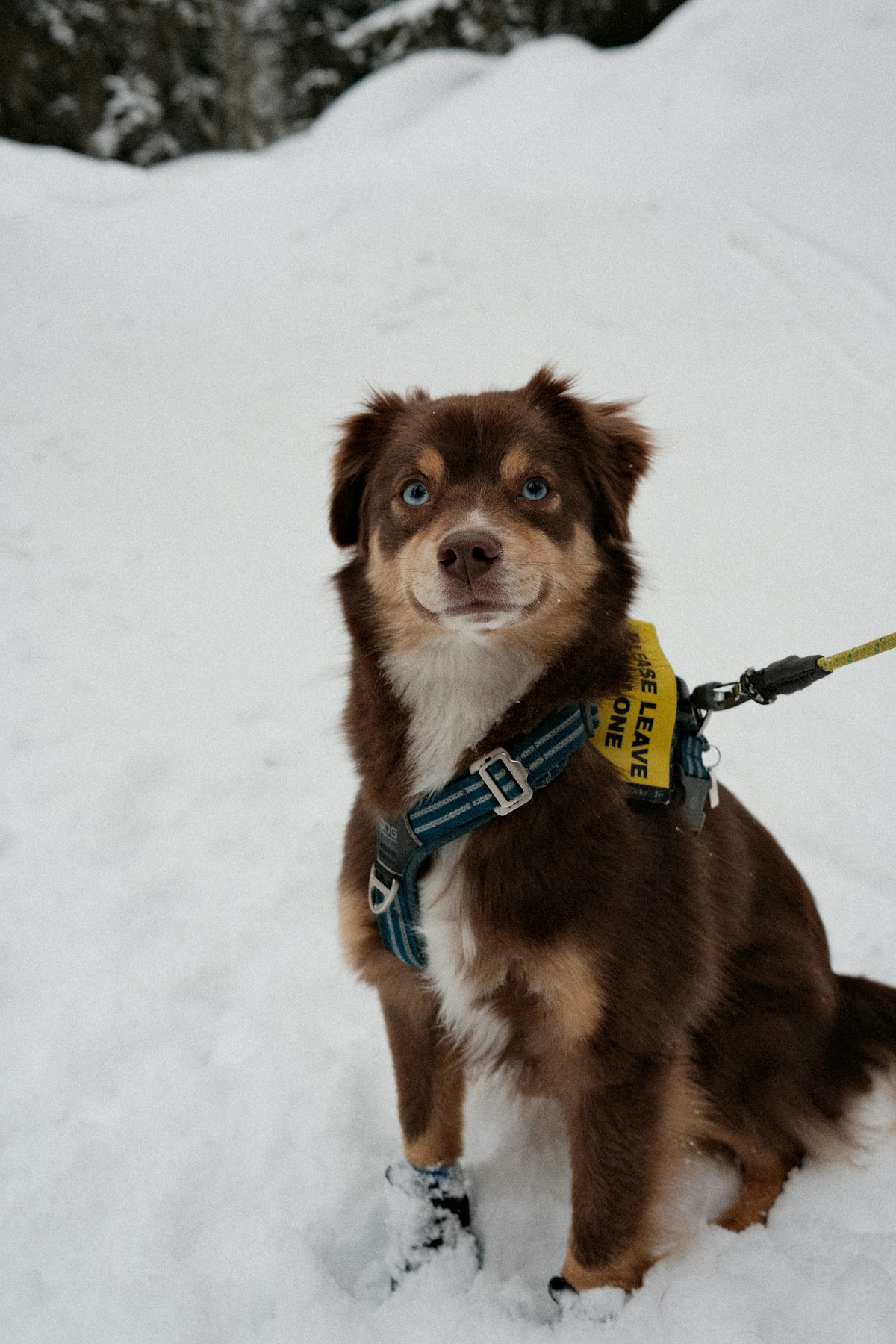
The Grip Trex is the boot trail runners and search-and-rescue handlers actually put on their own dogs, and the sole is why: a Vibram rubber outsole with siped tread that grips wet rock and packed snow, not just carpet. The gaiter-style collar with a hook-and-loop closure is the most secure fit of the three picks here, which matters most on a big dog whose stride can flick a loose boot off within a few steps.
- Vibram rubber sole is the toughest and grippiest of the three picks
- Gaiter collar closure stays on through mud, water, and full-speed running
- Reflective pull-loop helps with visibility and makes them easy to grab and remove
- Sizes run large enough for Mastiff and Great Dane paws
- Most expensive of the three picks
- Stiffer sole takes a few short walks for dogs to adjust to
Premium price tier, check current price.
2. Ultra Paws Durable Dog Boots: Best Everyday Value
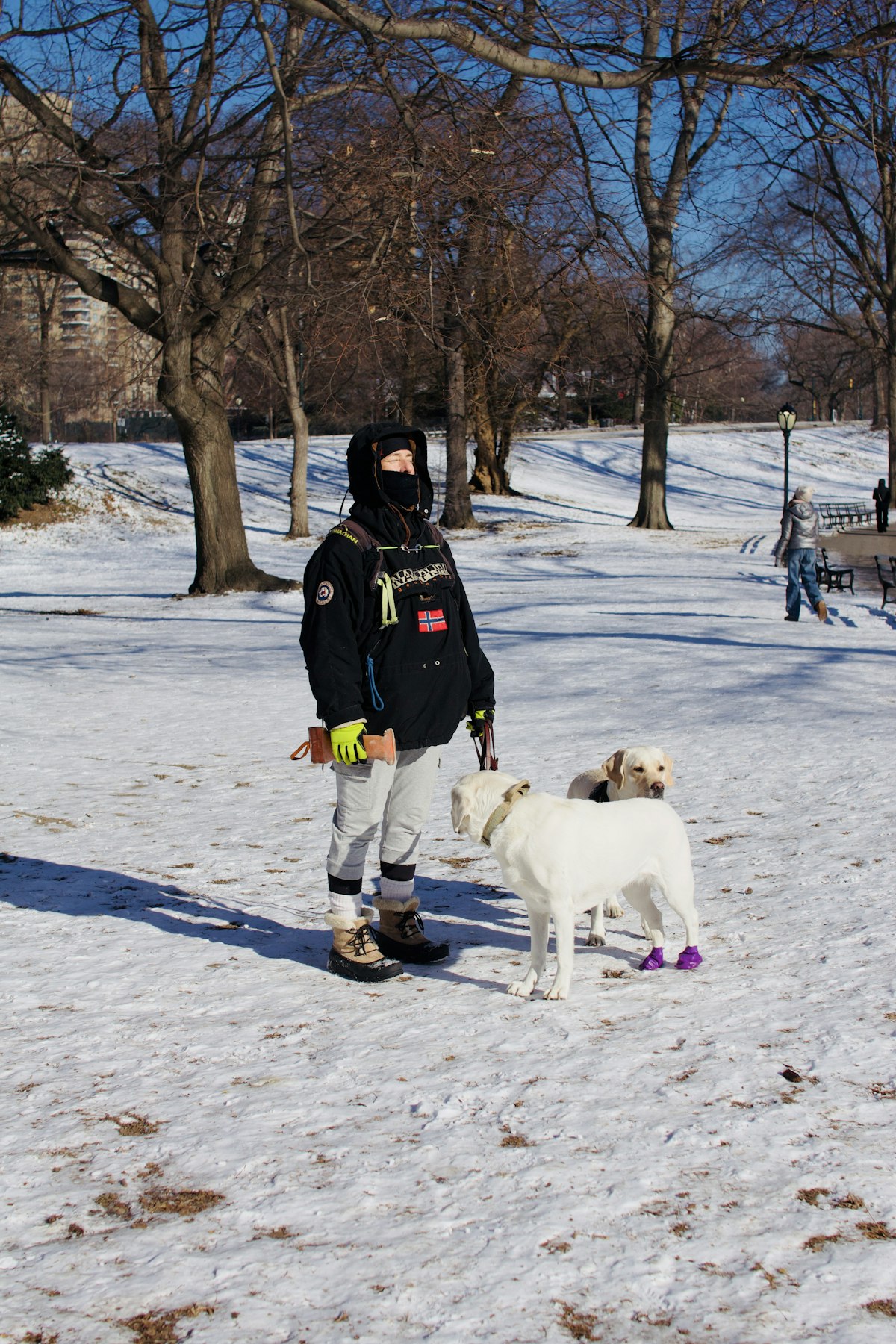
The Ultra Paws is the boot for a dog that needs paw protection on daily walks and yard time, not weekend hikes. The ToughTek sole and water-resistant nylon upper hold up to regular pavement wear, and the split-upper design with two Velcro straps makes them faster to put on than a full gaiter boot, which is useful when you’re doing this before every walk, every day.
- Machine washable, unlike leather or suede boots
- Padded sides add comfort for all-day wear
- Sizes up to XXL fit large-breed paws
- Faster on and off than gaiter-style trail boots
- Sole isn’t rugged enough for rocky trails or heavy hiking
- Velcro wears out faster than a hook-and-loop gaiter closure with heavy daily use
Mid-range price tier, check current price.
3. QUMY Dog Boots: Best for Snow and Wet Pavement

The QUMY pairs a suede leather upper with a rubber sole, which seals better against slush and ice-melt than the mesh uppers on the other two picks. It’s the budget option of the three, and reviewers’ main complaint is exactly what you’d expect at this price: the reflective straps loosen faster than the Velcro on the pricier picks, so they need a periodic re-tightening check on long walks.
- Lowest price of the three picks
- Suede upper seals well against snow, slush, and road salt
- Reflective straps add visibility on early morning or evening walks
- Rubber sole gives solid grip on wet pavement and ice
- Straps loosen faster than Velcro or gaiter closures over a long walk
- Suede isn’t as breathable in warm weather as mesh uppers
Budget price tier, check current price.
How to Get the Right Fit for Big Paws
Measure paw width, not length: trace your dog’s paw while they’re standing and bearing weight, then measure the widest point across the toes. Most large-breed boots run in sets sized by this width rather than by dog weight, since a lean 75-pound dog and a stocky 75-pound dog can need different sizes. Measure all four paws separately, since front and back paws are often a size apart on big dogs, and size up if your dog is between sizes, since a boot that’s too tight causes more slipping-off than one that’s slightly loose and cinched down with its strap.
If you’re still narrowing down sizing overall, our harness sizing guide covers the same measure-while-standing method in more detail.
Getting Your Dog Used to Wearing Boots
Almost every dog high-steps or tries to shake off boots the first time, regardless of brand or fit. That’s a sensation reaction, not a sign the boots don’t fit. Put them on for five minutes at a time indoors with treats and a short walk around the house before the first real walk, and most dogs stop noticing them within two or three short sessions. Start with just the front two boots if your dog is resistant, since front paws carry more weight and matter more for traction, then add the back boots once they’re comfortable.
Check paws after every removal for chafing, especially around the ankle strap, and size up if you see consistent rubbing in the same spot.
Frequently Asked Questions
Do large dogs actually need boots, or is it just for looks?
Functionally, yes, for specific conditions: hot asphalt above roughly 90°F, ice-melt chemicals, broken glass or debris on regular walking routes, and healing an existing paw injury. Most large dogs don’t need boots for a normal walk on a mild day. They’re situational gear, not everyday wear for every dog.
Why does my large dog keep kicking off its boots?
Almost always a sizing or closure issue rather than a temperament issue. Recheck paw width against the brand’s own size chart (they vary between brands), make sure the ankle strap is snug enough that a finger only just fits underneath, and favor a gaiter-style closure over simple Velcro if your dog is an aggressive high-stepper.
How long can a large dog safely wear boots?
Fine for the duration of a normal walk or hike. For all-day wear, check paws every few hours for moisture buildup and chafing, since a boot that traps sweat against the pad for too long can soften skin and increase the risk of irritation.
Do I need four boots, or just two on the front paws?
Depends on the reason. For hot pavement or ice-melt chemicals, all four paws touch the same hazard, so all four need protection. For a healing front-paw injury or a dog just getting used to boots, two is a reasonable starting point since front paws carry roughly 60% of a dog’s weight and matter most for traction.
Which One Should You Buy?
For most large dogs doing regular neighborhood walks, the Ruffwear Grip Trex is worth the higher price for the sole grip and secure fit alone. If you just need reliable everyday paw protection without the trail-boot price tag, the Ultra Paws Durable covers daily walks and yard time well. And if winter ice-melt is the specific problem you’re solving for, the QUMY is the cheapest way to seal paws against slush and salt.
For more large-dog weather gear, see our guides to dog winter coats and cooling vests for large dogs.
Get the free Big-Dog Gear Starter Checklist
The exact gear a large dog actually needs, with our #1 pick in every category, from bowls to GPS trackers. Enter your email and we’ll send the printable checklist straight to your inbox (plus the occasional big-dog gear guide, no spam).