
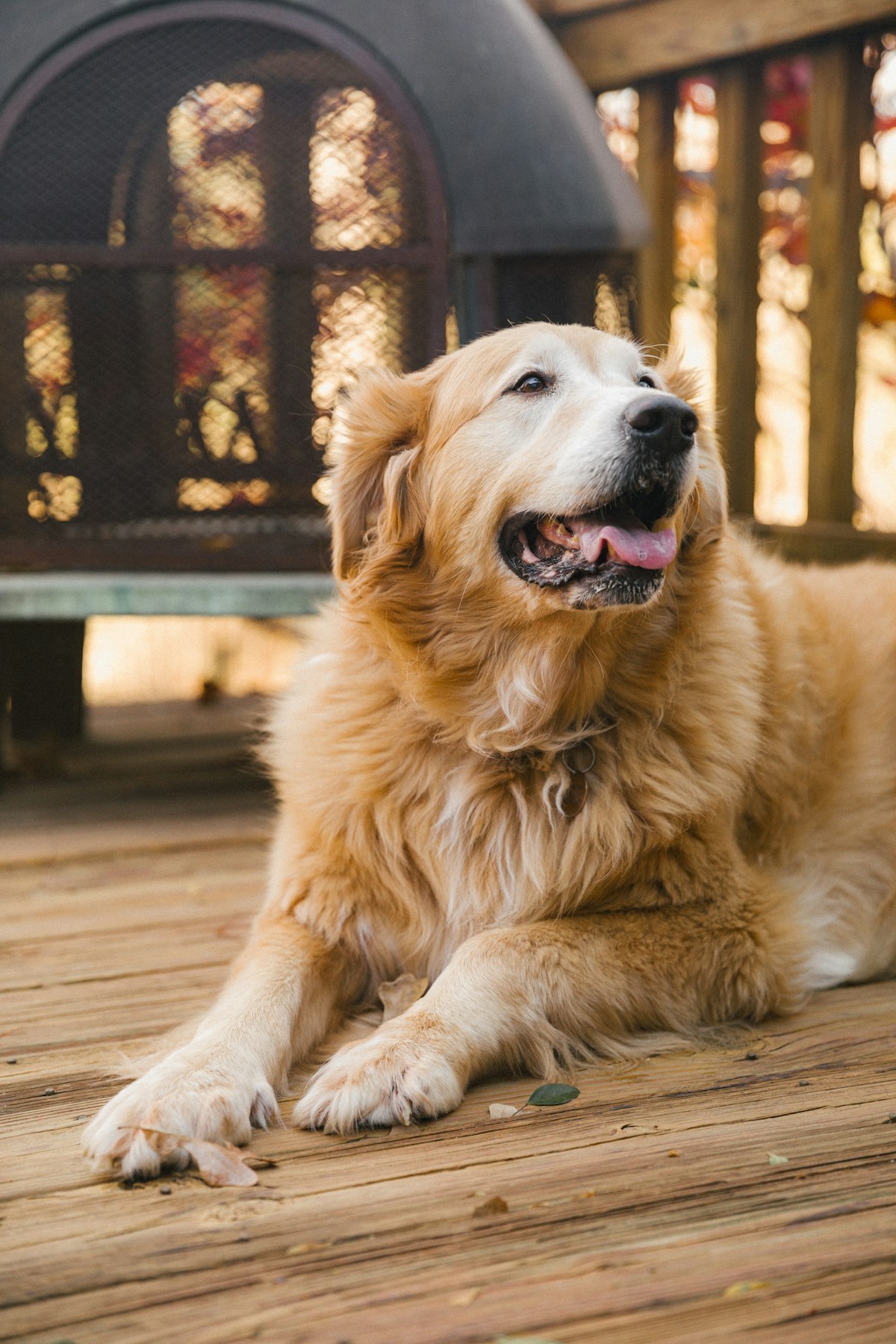
The best dog lift harnesses for large dogs are the ones that actually cover your dog’s weight range and match where the weakness is. For most owners of a 70lb+ dog with weak hips and shaky front legs, a full-body system like Help ‘Em Up or PetSafe CareLift is the safer starting point, while a rear-only sling such as GingerLead suits a dog that still steers well on its front end.
Lifting 80 or 100 pounds of dog up a step or into a car is a back injury waiting to happen for the human, and an awkward experience for the dog. A good harness spreads the load across handles and padded straps so you assist rather than haul. This guide compares published specs, manufacturer sizing charts and retailer listings. It is a gear comparison, not veterinary advice.
Amazon Associate disclosure: As an Amazon Associate we earn from qualifying purchases. This post contains Amazon affiliate links; if you click and buy, we may earn a small commission at no extra cost to you. See our Disclosures page for details.
Price tiers last checked: October 1, 2026. Tiers compare the picks in this guide, not the whole market. Use any Check Price link for the current price on Amazon.
Dog Lift Harnesses at a Glance
| Pick | Type | Large-dog size | Price tier | Best for |
|---|---|---|---|---|
| 1. Help ‘Em Up | Full body, hip lift | Large 80-125 lb (XL to 225 lb) | Premium | Hind-end weakness, biggest dogs |
| 2. PetSafe CareLift | Full body | Large 70-130 lb | Budget | Lower-cost full support |
| 3. GingerLead sling | Rear sling only | Large Female / Med-Lg Unisex | Mid-range | Strong front end |
Why Dog Lift Harnesses Matter for Big Dogs
Arthritis, hip dysplasia, degenerative myelopathy and recovery after knee or back surgery are all common reasons a large dog needs help standing or climbing. The trouble is size. A 30lb dog can be scooped up. A 90lb Lab or Shepherd cannot, and trying it strains your back and can hurt the dog if the grip slips.
A harness with handles gives you control at the hips, chest or both, so you can steady a wobbly dog on stairs, into the car, or through the yard for bathroom breaks. It does not fix the underlying problem, and none of these products replace a vet’s diagnosis or a rehab plan. Ask your vet whether support is right for your dog, especially after surgery.
Types of Dog Lift Harnesses
Full-Body Lift Harnesses
These wrap the chest and hips, connected so neither half slips. Best for: dogs that struggle at both ends or need help on stairs and in the car. Help ‘Em Up is the example here. Its maker says the hip section must stay connected to the front half, otherwise it can slip.
Rear-Support Slings
A padded strap runs under the belly ahead of the back legs, with handles you hold. Best for: dogs whose front legs and chest are fine but whose hips give out. GingerLead is the example. If the weakness is severe enough that your dog needs wheels rather than a hand, our guide to dog wheelchairs for large breeds covers the next step up.
Walking Harnesses With a Handle
Regular harnesses with a grab handle help a healthy but clumsy dog over a curb. They are not designed to bear weight. Best for: dogs that are otherwise fine. If that is your situation, start with our best dog harnesses for large dogs instead.
Best Dog Lift Harnesses for Large Dogs: Our Top Picks
1. Help ‘Em Up Harness (Large, Conventional)

Help ‘Em Up is a two-piece system: a front harness plus a hip lift that supports from underneath instead of pulling up from above. The maker sizes it up to 225 pounds, so it is the one that covers the biggest breeds on this list, and it has a shorter track record than the others. Pick the Large for 80 to 125 lb dogs and the XL above that. Owners who buy it tend to be dealing with long-term hind-end decline rather than a short recovery.
Premium price tier, check current price. Large-dog size: Large 80-125 lb (the XL covers 125-225 lb).
Pros:
- Sizes run from 10 lb to 225 lb, so giant breeds are covered
- Hip lift and front harness work together, with eleven adjustment points per the maker
- Designed so dogs can pee and poop while wearing it
- Machine washable, one-year warranty per the maker
Cons:
- Most expensive of the three on Amazon
- Hip section must stay attached to the front harness
- Fitting takes patience, and the maker suggests loosening straps when the dog lies down
2. PetSafe CareLift Full Body Harness (Large)
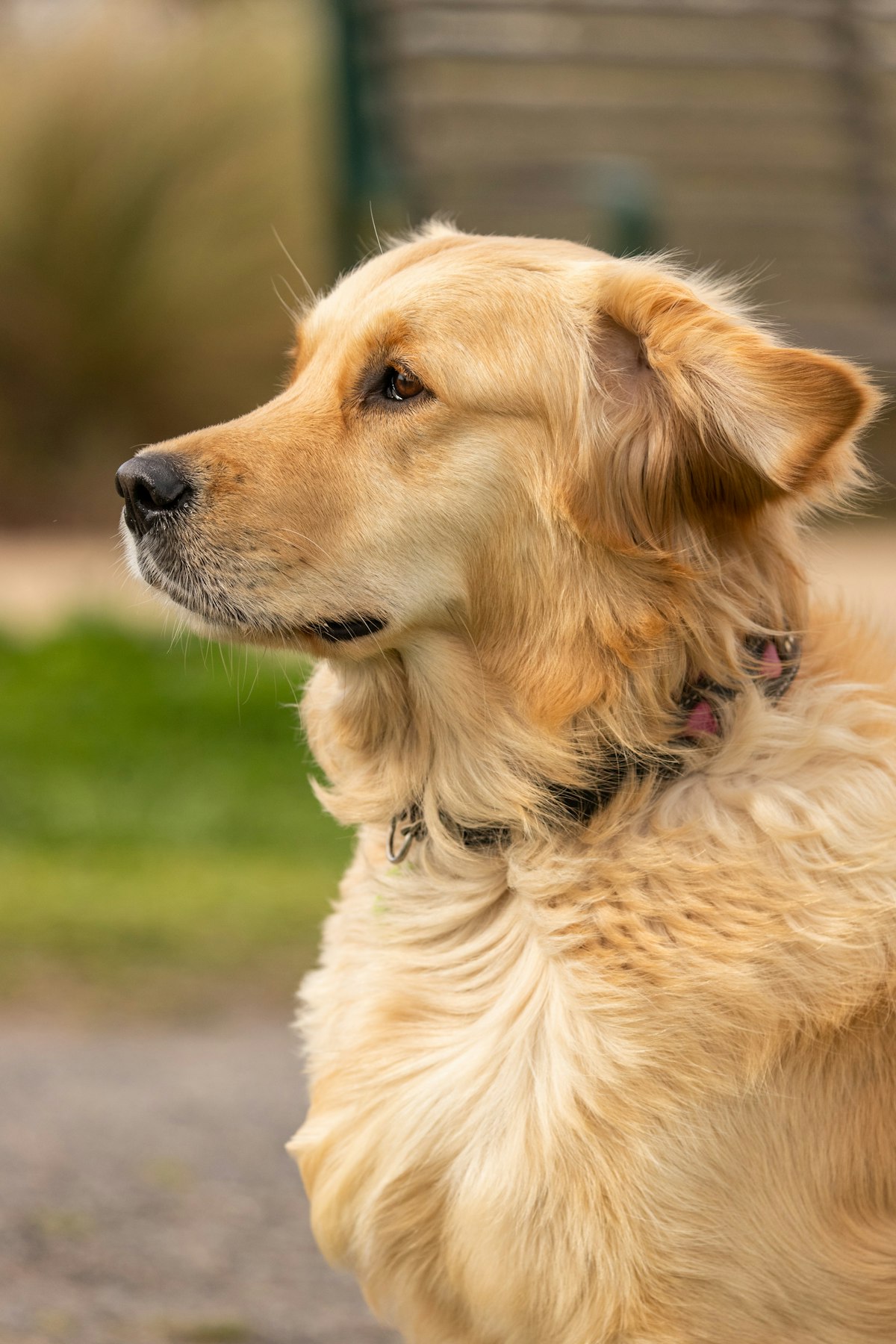
CareLift is a full-body harness with a lifting belt, shoulder strap and multiple handles, and PetSafe’s Large covers 70 to 130 pounds. Fit is the most common complaint, so check the sizing chart carefully before you commit. It costs less than Help ‘Em Up. Reviewers on other sites point to the shoulder strap as useful for heavier dogs, and to thin leg loops as the weak spot.
Budget price tier, check current price. Large-dog size: Large 70-130 lb.
Pros:
- Large size covers 70-130 lb per PetSafe
- Shoulder strap takes strain off your arms
- Removable protection shield for male dogs
- Breathable mesh, machine washable
Cons:
- Leg loops are described as lightly padded by some reviewers
- Weight ceiling of 130 lb is lower than Help ‘Em Up’s XL
- The parent listing can open on Medium, so confirm Large before checking out
3. GingerLead Dog Support Sling (Large Female / Med-Lg Unisex)
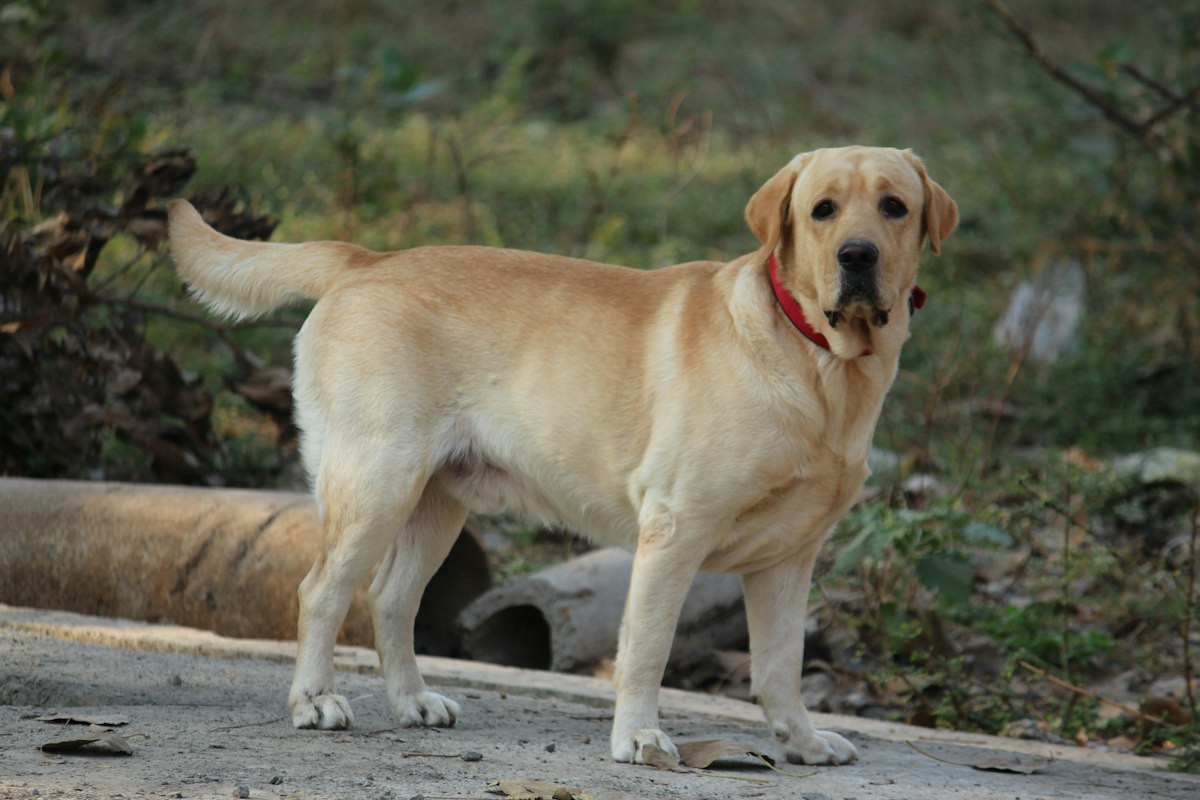
GingerLead is a padded rear sling with an integrated leash, made in the USA per the maker. It only supports the back end, so it fits dogs that walk fine up front but drop at the hips. The Large Female is aimed at large to giant breeds. Male dogs need the male or unisex cut, so match the size to your dog’s anatomy.
Mid-range price tier, check current price. Large-dog size: Large to giant breeds, rear support only.
Pros:
- Simple to put on and take off
- Soft lining, padded handle and detachable leash
- Machine washable and dryable
- Ten-day money-back window on the maker’s own site
Cons:
- Rear support only, so it will not help a dog whose front legs are weak
- Wrong cut for male dogs will not fit properly
- Sizing is by pad width and body shape, so use the maker’s chart before ordering
How to Choose the Right Size and Style
Start with the weakness. If both ends are shaky, go full body. If only the hips fail, a rear sling is lighter and simpler. Then use the manufacturer’s size chart, not the listing’s default. Weigh your dog, measure the chest and waist, and pick the size whose range covers both. PetSafe publishes chest and waist figures for its Large (31-46 inches chest, 27-37 inches waist), which is a good template for what to measure.
Deep-chested breeds and short-backed dogs can fall between sizes. If you are on the edge, read the maker’s exchange policy before you buy. For the general fit basics, our large dog harness sizing guide explains where to place the tape.
Safety and Maintenance Tips
- Leave about two fingers of room under the straps so nothing chafes.
- Take the harness off when your dog rests for long periods to avoid pressure spots.
- Support, do not dangle. A sling is a helper, and your dog should still carry some of its own weight.
- Check stitching and buckles regularly, especially if your dog chews.
- Add traction at home: our paw grips for hardwood floors reduce the slips that make lifting necessary.
Frequently Asked Questions
Do dog lift harnesses work for 100lb dogs?
Some do. Help ‘Em Up sizes to 225 pounds and PetSafe CareLift’s Large tops out at 130 pounds, per their makers. Always check the size chart against your dog’s actual weight and measurements, and stay under the stated limit.
Can my dog wear a lift harness all day?
Generally no. Makers and reviewers advise removing it during long rests to prevent pressure sores. Use it for walks, stairs, car trips and bathroom help, then take it off.
Is a full-body harness or a rear sling better for hip problems?
A rear sling is enough if your dog’s front legs are strong. If the front end also wobbles, or you need help on stairs, a full-body harness gives more control. Your vet can tell you which fits your dog’s condition.
Can I use a lift harness after my dog’s surgery?
Only if your vet says so. Post-op instructions vary, and some plans limit how much weight your dog should bear. Ask before you buy one for recovery.
Which One Should You Buy?
For most large dogs with hind-end decline, a full-body system is the safer default, and a rear sling suits the narrower case. Here is the short version:
- Help ‘Em Up: best for the biggest dogs and long-term use.
- PetSafe CareLift: best value full-body option up to 130 lb.
- GingerLead: best rear-only sling when the front end is strong.
A harness is one piece of a mobility setup. Pair it with a good ramp or stairs so your dog gets into the car without being lifted, and an orthopedic bed so it gets up more easily at home.
Get the free Big-Dog Gear Starter Checklist
The exact gear a large dog actually needs, with our #1 pick in every category, from bowls to GPS trackers. Enter your email and we’ll send the printable checklist straight to your inbox (plus the occasional big-dog gear guide, no spam).