
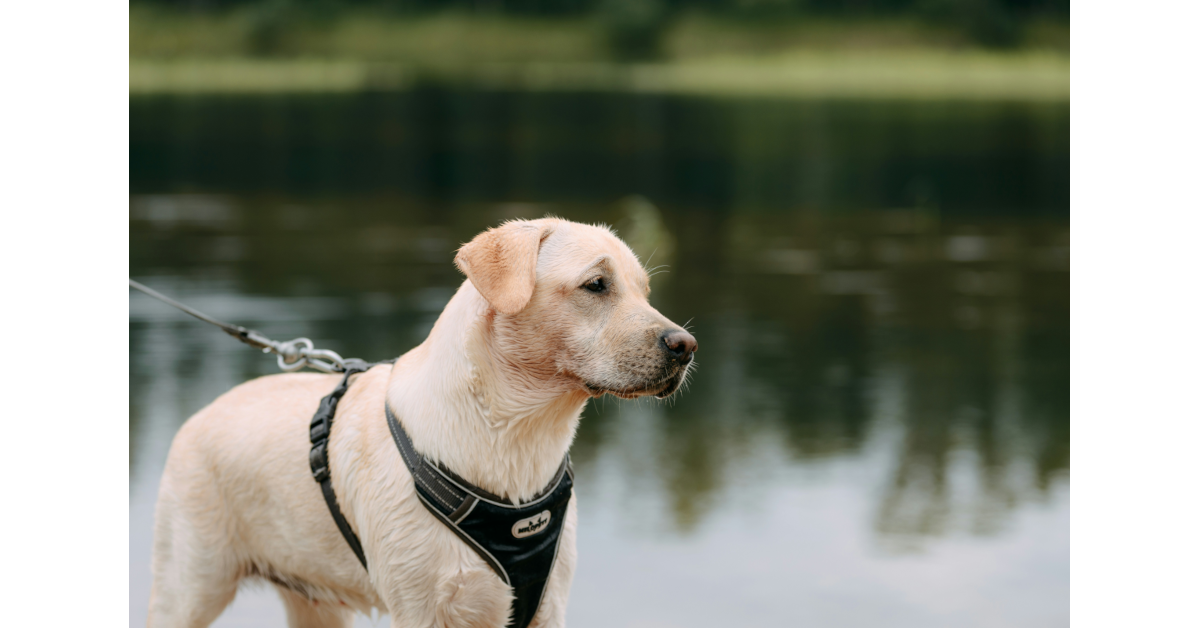
The best dog harness for large dogs is the Ruffwear Front Range: durable, genuinely comfortable for daily wear, and secure enough for strong breeds. If pulling is your main battle, the rabbitgoo no-pull harness is the budget answer and the PetSafe Easy Walk is the front-clip training tool. Three more picks round out the lineup below for extra security, tactical use, and value. All six compared below, with a fitting guide and FAQ.
Amazon Associate disclosure: As an Amazon Associate we earn from qualifying purchases. This post contains Amazon affiliate links; if you click and buy, we may earn a small commission at no extra cost to you. See our Disclosures page for details.
- Best overall everyday harness: Ruffwear Front Range Dog Harness (Large)
- Balanced front + back clip design, great padding, and highly adjustable fit for most big dogs.
- Best for strong pullers & escape artists: rabbitgoo No-Pull Dog Harness (Large)
- Budget-friendly but sturdy, with a front clip and high neck yoke that helps reduce pulling.
- Best lightweight walking harness: PetSafe Easy Walk No-Pull Harness (Large)
- Simple, low-bulk front-clip harness that’s easy to get on and off for daily walks.
Free download: the Big-Dog Gear Starter Checklist: every essential in one printable page. Get it here →
If you’re just starting to upgrade your pup’s setup, you can also browse all of our big-dog gear guides on the RankedShopping Dog Gear page.
Why Harnesses Matter for Big Dogs
Big dogs have big momentum. A flat collar is fine for ID tags and quick potty breaks, but for real walks you want the control and safety that a harness provides:
- Better control: A properly fitted harness gives you more leverage on a strong dog, especially if they lunge or pull.
- Less neck strain: Pressure is distributed across the chest and shoulders instead of the trachea.
- Escape prevention: Many harnesses are harder for nervous or reactive dogs to back out of compared to collars.
Below are our favorite harnesses for large dogs, plus a quick guide on how to fit and use them safely.
Best Dog Harnesses for Large Dogs: Our Top Picks
Price tiers last checked: August 25, 2026. Tiers compare the picks in this guide, not the whole market. Use any Check Price link for the current price on Amazon.
Recent updates (Aug 27, 2026): Re-verified all picks are still sold and in stock. Ruffwear Front Range and PetSafe Easy Walk confirmed in stock. The rabbitgoo pick now links directly to Amazon instead of rabbitgoo’s own site (its previous listing there is no longer the current product), same front-clip-for-training-plus-back-ring-for-everyday-wear design as before, and rabbitgoo’s best-selling no-pull harness. Added three new picks below to round out the lineup: an escape-proof option with a lift handle, a tactical/heavy-duty option, and a value pick.
Dog Harnesses for Large Dogs at a Glance
| Pick | Best for | Price tier |
|---|---|---|
| 1. Ruffwear Front Range (Large) | Best overall | Premium |
| 2. rabbitgoo No-Pull (Large) | Best for strong pullers & escape artists | Budget |
| 3. PetSafe Easy Walk (Large) | Best lightweight walking harness | Mid-range |
| 4. Huntboo Escape Proof (Large) | Best with lift handle for extra control | Mid-range |
| 5. ICEFANG Tactical (Large) | Best tactical/heavy-duty harness | Premium |
| 6. BARKBAY No-Pull (Large) | Best value pick | Budget |
1. Ruffwear Front Range Dog Harness (Large): Best overall
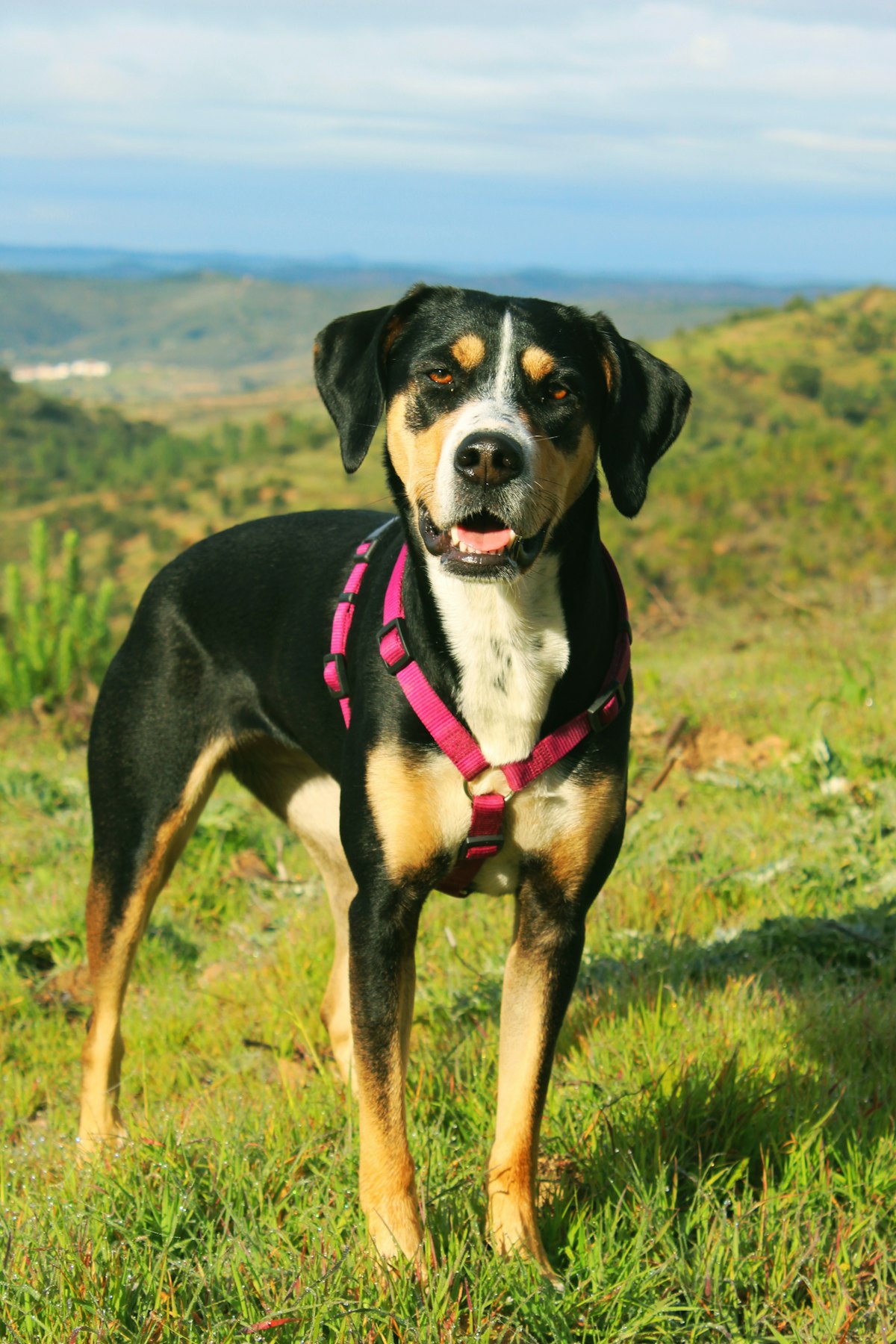
If you only buy one harness for your big dog, make it this one. The Ruffwear Front Range is the best balance of comfort, durability, and control we’ve found for everyday use.
Why we like it for large dogs
- Four adjustment points (two at the neck, two at the girth) help dial in a secure fit on deep-chested breeds like Labs, Goldens, Boxers, and Shepherds.
- Padded chest and belly panel prevent rubbing on longer walks or hikes.
- Front and back leash attachment points
- Use the front clip for pullers or training.
- Use the back clip for relaxed walks or long lines.
- Sturdy hardware and reinforced webbing hold up well to big-dog strength and daily use.
- Reflective trim adds visibility during early-morning or evening walks.
Best for
- Large dogs 50–90+ lbs
- Everyday walks, neighborhood strolls, and light hiking
- Owners who want a “buy once, cry once” high-quality harness
Watch for
- More expensive than budget options.
- Dogs with very straight shoulders may need a little extra adjustment time to avoid rubbing behind the front legs, check the fit after the first few walks.
2. rabbitgoo No-Pull Dog Harness (Large): Best for strong pullers & escape artists
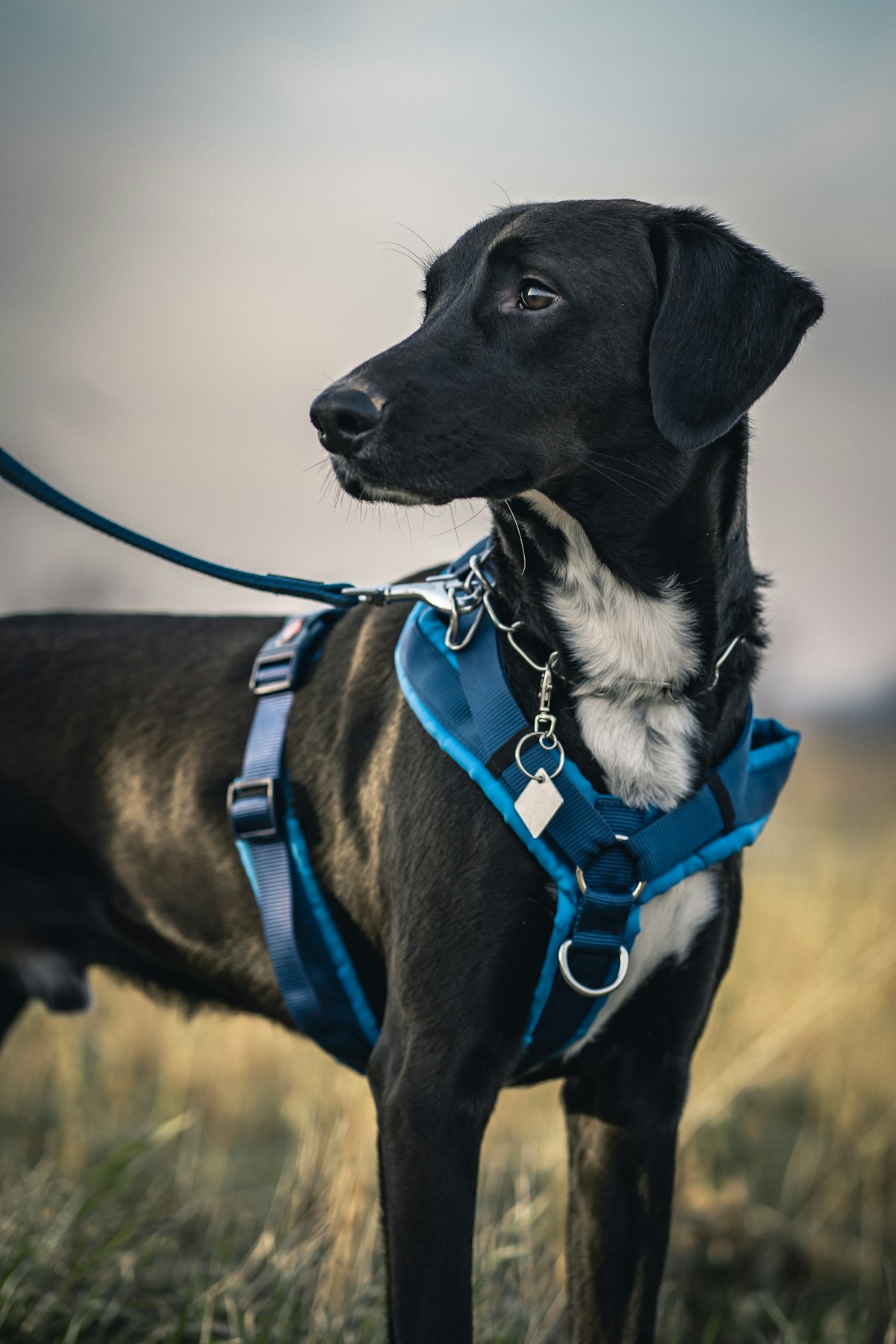
If your big dog hits the end of the leash like a freight train, the rabbitgoo No-Pull Harness is a solid, budget-friendly option.
Why we like it for large dogs
- Front clip helps reduce pulling by gently turning your dog back toward you when they lunge.
- High-neck yoke and deep chest piece give you more steering control on strong dogs.
- Two metal leash rings (front and back) so you can swap between training and casual walking.
- Thick padding and wide straps spread pressure across the chest.
- Quick-release buckles make it easier to get on squirmy or excited dogs.
Best for
- Large dogs who pull hard on leash
- Newly adopted dogs while you’re still learning their habits
- Owners who want a solid harness without paying premium prices
Watch for
- Bulky on very short-haired dogs in hot weather, keep an eye on rubbing behind the front legs.
- Not quite as durable as higher-end hiking harnesses if your dog is a daily trail dog.
If your big dog is also a serious power chewer, pair a secure harness with durable toys. We’ve rounded up the best dog toys for aggressive chewers so you’re not replacing shredded toys every week.
3. PetSafe Easy Walk Dog Harness (Large): Best lightweight walking harness

For big dogs who just need a bit of guidance (not a full tactical rig), the PetSafe Easy Walk is a low-bulk option that keeps things simple.
Why we like it for large dogs
- Front-clip only design: The leash attaches at the chest, naturally turning pullers back toward you.
- Very lightweight and breathable, ideal for hot climates or thick-coated breeds.
- Minimal straps mean less fabric to rub or trap heat.
- Color-coded straps (top vs. belly) make it easier to put on correctly.
Best for
- Large dogs who pull a bit, but not like sled dogs
- Hot climates where heavier harnesses are uncomfortable
- Owners who want a simple, easy-on everyday walking harness
Watch for
- Less padding than the other options; check for chafing in the armpit area on long walks.
- Not ideal for heavy pullers or escape artists, choose a more secure harness if your dog backs out of things easily.
4. Huntboo Escape Proof Dog Harness (Large): Best with lift handle for extra control
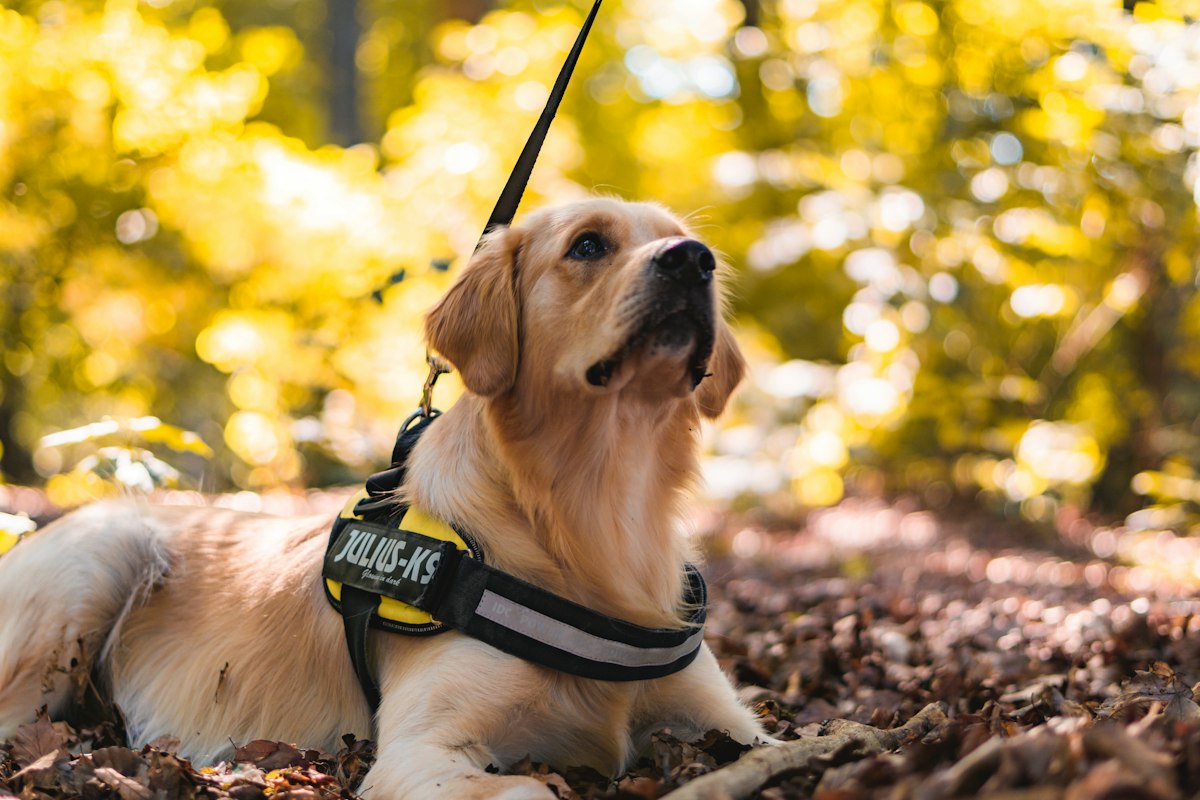
For dogs that twist, back out, or bolt the second a leash goes slack, the Huntboo Escape Proof Harness adds a sturdy top handle and dual leash clips on top of the usual no-pull design.
Why we like it for large dogs
- Reinforced lift handle: gives you a solid grip to steady or lift your dog in tight spaces, crossing streets, or getting in and out of the car.
- Front and back leash clips: the same two-point control as our other no-pull picks, so you can switch between training mode and everyday walks.
- Reflective stitching for low-light visibility on evening walks.
Best for
- Dogs that twist or back out of standard harnesses
- Owners who want a handle for extra control near traffic or crowds
- Evening or early-morning walkers who want built-in reflectivity
Watch for
- Bulkier than the PetSafe Easy Walk, so not ideal for hot climates
- Buckle placement runs slightly small; check the size chart before ordering
5. ICEFANG Tactical Dog Harness (Large): Best tactical/heavy-duty harness
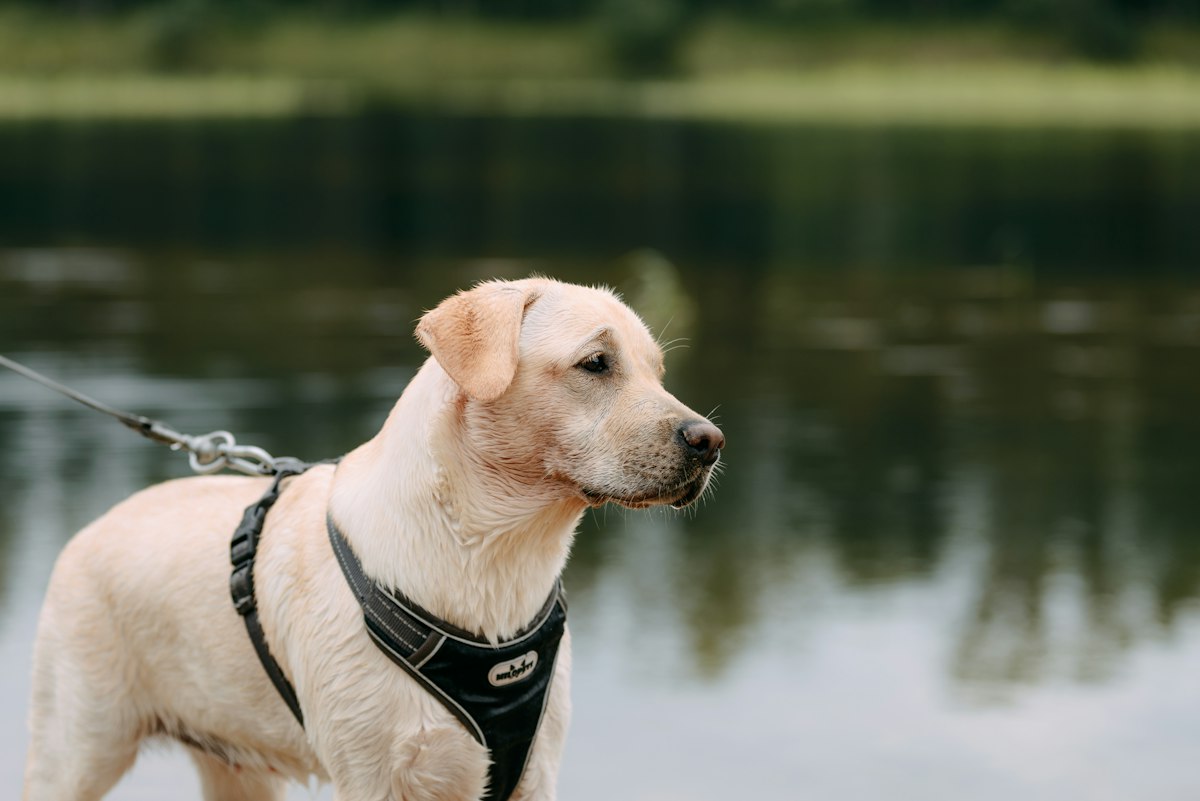
For working breeds, service-dog-in-training setups, or owners who want the most control possible, the ICEFANG Tactical Harness is built like military gear: MOLLE webbing, a rigid top handle, and three leash-attachment points.
Why we like it for large dogs
- MOLLE panels: attach pouches for water, waste bags, or ID patches, useful for hikers and working dogs.
- Rigid control handle on top, sturdier than the soft lift handles on most no-pull harnesses.
- Three leash clips (front, back, and side) for training, hands-free walking, or vehicle restraint setups.
Best for
- Working breeds (German Shepherds, Malinois, etc.) and service-dog-in-training setups
- Hikers who want to attach gear directly to the dog
- Owners who prioritize maximum control over minimal bulk
Watch for
- The most expensive pick on this list and heavier than a standard harness
- Overkill for dogs that just need a basic daily-walk harness
6. BARKBAY No-Pull Dog Harness (Large): Best value pick
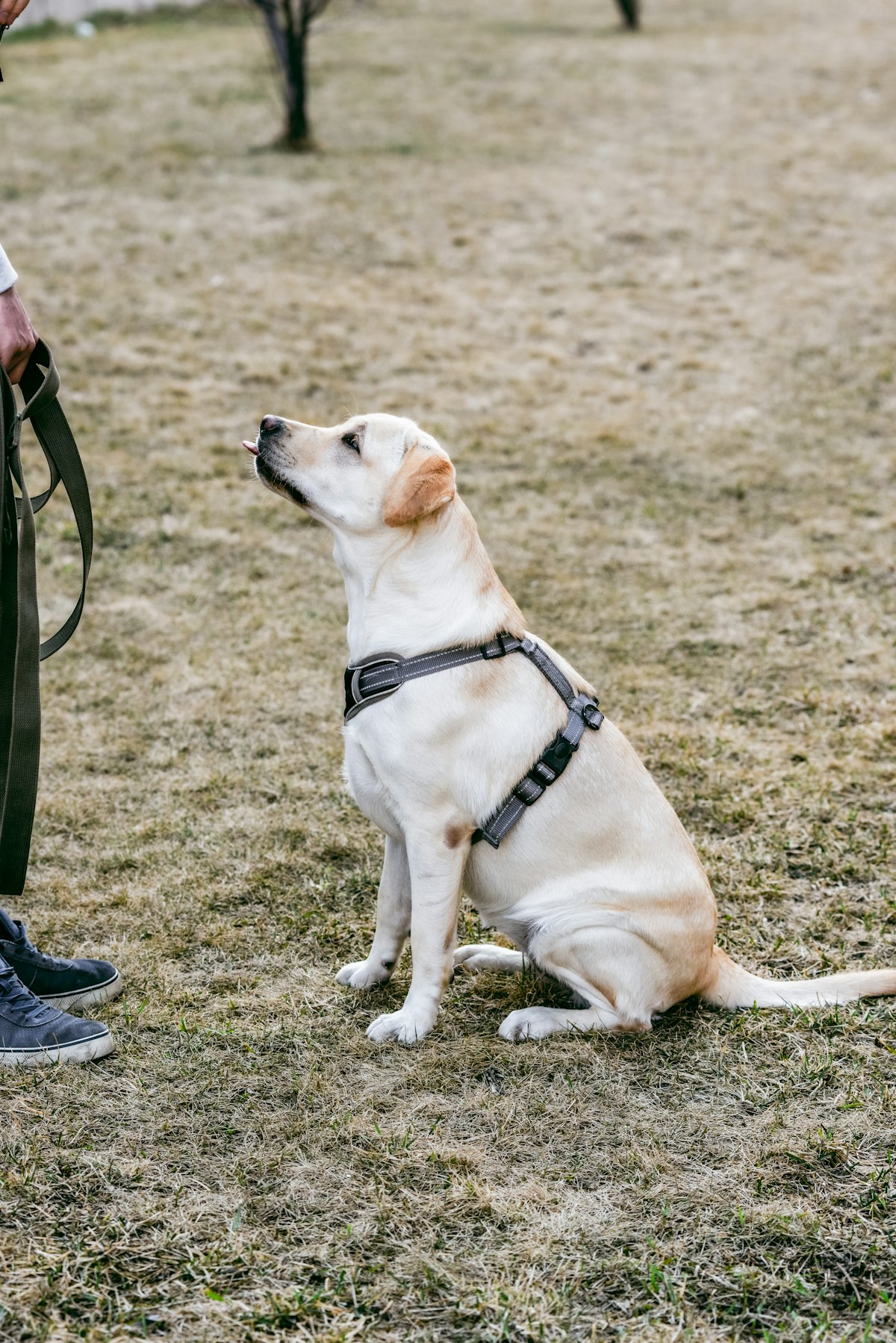
If you want the front-and-back-clip no-pull design without paying for extra features you won’t use, the BARKBAY Harness covers the basics well and is a long-running, popular pick.
Why we like it for large dogs
- Front and back leash clips, the same core design as our pricier picks.
- Padded chest and belly panels to reduce chafing on long walks.
- Easy on/off with quick-release buckles, so no need to slide it over your dog’s head.
Best for
- Owners who want a proven, no-frills no-pull harness
- Multi-dog households buying more than one harness at once
Watch for
- No lift handle, so it won’t help with dogs that need extra physical control
- Sizing runs slightly different from the other picks; check the chest measurement before ordering
How to Choose the Best Harness for Your Large Dog
Even the best harness won’t help if it doesn’t fit properly. Here are the key things to look at before you buy. Not sure a harness is even the right starting point? The Big Dog Gear Finder matches your dog’s weight and situation to picks across every category, not just harnesses.
1. Measure your dog correctly
Grab a soft tape measure (or a string and ruler) and note:
- Neck circumference: around the base of the neck where a collar would sit.
- Chest girth: around the widest part of the ribcage, just behind the front legs.
- Weight range: most harness size charts list an ideal weight bracket.
Compare your measurements to the manufacturer’s size chart. For large dogs, it’s common to be on the border between Large and X-Large. In that case, go with the size that matches your dog’s chest measurement first, then adjust from there.
Want a deeper dive into measuring and fitting a harness? The American Kennel Club has an excellent guide: AKC: Choosing the Right Dog Harness for Your Dog
2. Front clip vs. back clip (or both)
- Front-clip harnesses
- Great for training and for dogs who pull. The leash attaches at the chest, which helps turn your dog back toward you instead of letting them pull straight ahead.
- Back-clip harnesses
- Comfortable and simple for dogs who already walk nicely on leash. They’re also good for running or hiking with well-trained dogs.
- Dual-clip harnesses (like the Ruffwear Front Range)
- Give you the best of both worlds. Use the front clip while you’re training, then switch to the back clip later for relaxed walks.
If your big dog is also a serious power chewer, pair a secure harness with durable toys. We’ve rounded up the best dog toys for aggressive chewers so you’re not replacing shredded toys every week.
3. Check for comfort and chafing
After a few walks, inspect:
- Under the front legs (armpits) for redness or hair loss.
- Shoulders and chest for any pinching.
- Motion: your dog should be able to walk and trot freely without the straps cutting into the joints.
If you see rubbing, try:
- Adjusting the straps to loosen slightly.
- Checking that the chest strap sits above the point of the shoulder, not sliding down across it.
- Switching to a harness with a padded chest/belly panel.
4. Safety features for big dogs
For large, powerful dogs, look for:
- Strong metal hardware and reinforced leash attachment points.
- Wide, durable webbing that won’t stretch out.
- Reflective trim or bright colors for visibility.
- Optional but nice: grab handle on the back for quick control in tight spaces.
How to Fit and Use a Large-Dog Harness (Step-by-Step)
- Loosen all straps before you put the harness on the first time.
- Slip it over your dog’s head (or step their legs through, depending on the style).
- Buckle the girth strap behind the front legs.
- Tighten the neck straps until you can fit two fingers between the strap and your dog’s neck.
- Tighten the chest/girth strap the same way: snug, but not squeezing.
- Check the chest piece:
- Should sit centered on the chest, not up on the throat.
- Should not hang loose or twist to one side.
- Walk around your house for 5–10 minutes and watch your dog’s movement.
- Make micro-adjustments after the first few walks as the straps settle.
Re-check the fit every few weeks, especially if your dog is still filling out or losing weight.
Need help double-checking your pup’s measurements? Follow our step-by-step large dog harness sizing guide so you can order the right size the first time.
Once you’ve dialed in the right harness, the next upgrade is a bed that actually supports your dog’s weight. Check out our guide to the best dog beds for large dogs for orthopedic and budget-friendly options.
FAQs About Large Dog Harnesses
Is a harness better than a collar for large dogs?
For walking and training, yes. Harnesses are safer for your dog’s neck and give you more control. We still recommend a flat collar for ID tags and microchip backup, but clip the leash to the harness.
Can my dog wear a harness all day?
It’s best not to. We recommend:
- Harness on for walks, training, or car trips.
- Harness off at home to let the skin and coat breathe and to prevent rubbing.
What if my dog hates wearing a harness?
Go slow:
- Leave the harness on the floor with treats around it.
- Reward your dog for sniffing or approaching it.
- Gradually work up to slipping it over their head, then buckling it, pairing each step with treats and praise.
Most dogs adjust quickly when the harness predicts walk time.
What’s the best harness for a large dog that pulls?
For a big dog that pulls, choose a no-pull harness with a front (chest) clip: it redirects your dog sideways instead of letting them lean into the pull. Our top pick for pullers is the rabbitgoo No-Pull Harness, with both front and back clips, and the front-clip PetSafe Easy Walk is the simplest training option. Pair either with loose-leash training for the fastest results.
Are soft or padded harnesses better for large dogs?
A padded harness is worth it for big dogs, since their weight puts more pressure on the chest and shoulders: padding across the chest panel prevents rubbing and chafing on long walks. The Ruffwear Front Range is our pick here: a padded chest and belly panel that stays comfortable for all-day wear without digging in.
Which One Should You Buy?
The best dog harness for large dogs is the one that fits your dog’s body, matches their walking style, and feels good enough that you both want to use it every day.
If you want the most versatile option, start with the Ruffwear Front Range. If you’re battling heavy pulling, try the rabbitgoo No-Pull. For a simple, low-bulk daily harness, the PetSafe Easy Walk is a solid choice.
Whichever you pick, take a few extra minutes to measure carefully, adjust the fit, and watch for rubbing. Your big dog’s shoulders (and your shoulders) will thank you on your next walk.
Looking for more big-dog gear? After you’ve picked the right harness, browse the rest of our recommendations on the Dog Gear guides for large dogs.
If your harness is up against a determined escape artist, pair it with a GPS tracker so a slipped harness never means a lost dog.
Leash Training Basics: How to Stop Pulling
A great harness manages pulling; training fixes it. The core rule is simple: a loose leash means you walk, a tight leash means you stop. Big dogs learn quickly that pulling gets them nowhere when you are consistent about it.
- Start indoors or in a low-distraction area. Let your dog win easy reps before adding the real world.
- Reward position, not just behavior. Use high-value treats delivered at your side, so walking next to you becomes the best spot on the walk.
- Never let pulling “work.” If pulling sometimes gets your dog to the park faster, the habit stays. Stop or change direction every time the leash goes tight.
- Skip harsh tools. A front-clip harness like the PetSafe Easy Walk gives you mechanical advantage while you train. Prong and choke collars create new problems.
- Burn energy first. A big dog with pent-up energy and no mental work will pull no matter how good your technique is.
Expect about a week of focused reps to see real progress: days 1–2 indoors, days 3–4 in the yard or a quiet street, days 5–7 on short real-world walks. Older large dogs can absolutely learn this too; it just takes a few more repetitions.
Going further than the daily walk? A pack lets a strong dog carry its own water and kit: see the best dog backpacks for large dogs.
Get the free Big-Dog Gear Starter Checklist
The exact gear a large dog actually needs, with our #1 pick in every category, from bowls to GPS trackers. Enter your email and we’ll send the printable checklist straight to your inbox (plus the occasional big-dog gear guide, no spam).
Related guide: A harness only works if it fits: use our large dog harness sizing guide to measure your dog for a secure, comfortable fit.
Related guide: Want a harness that’s independently crash tested for car travel? See our crash-tested dog harnesses guide for options with published safety data.