
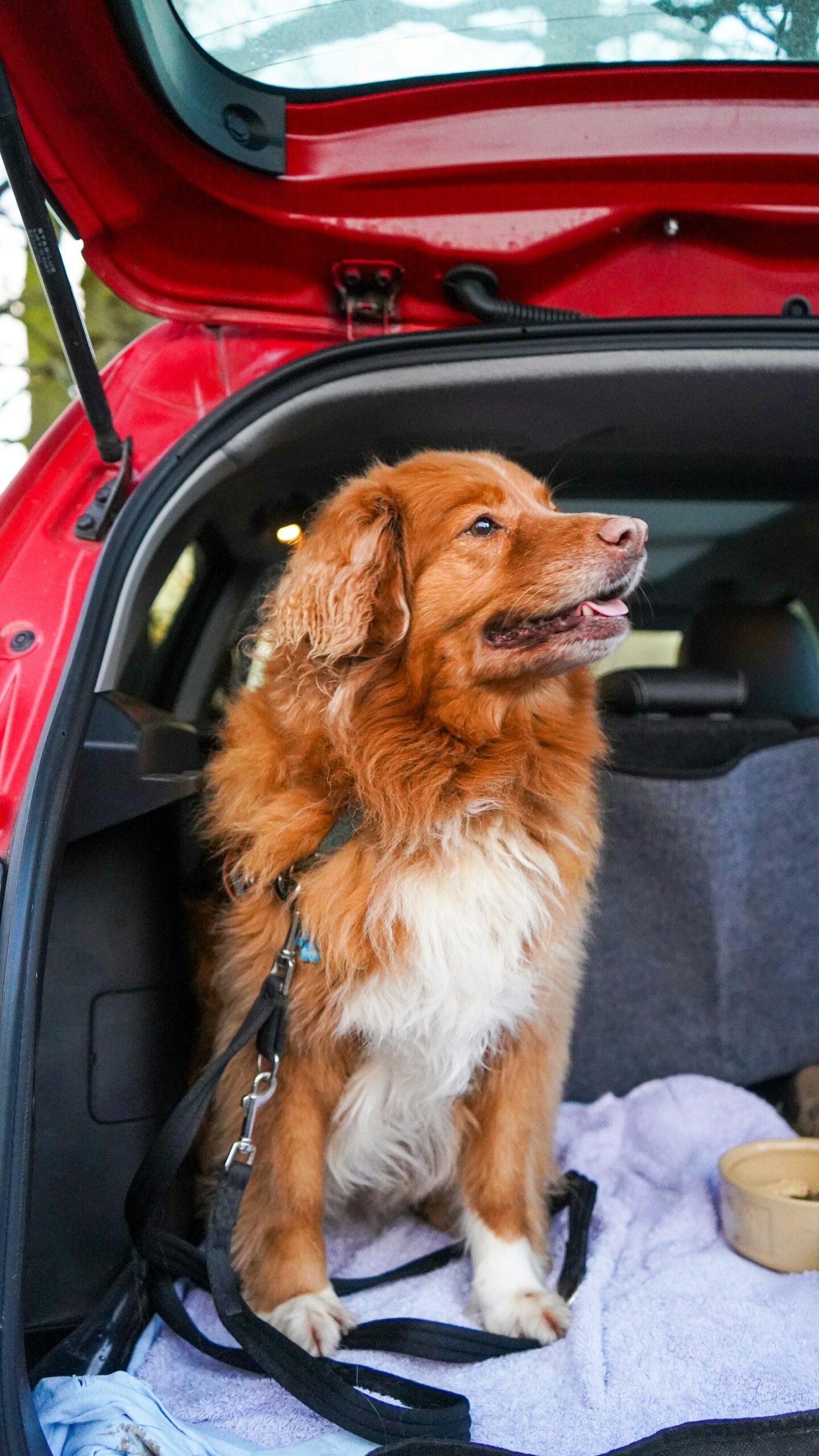
Crash-tested dog harnesses are the only car restraint category with any real evidence behind the word “safe,” and most of what’s sold as one hasn’t actually been tested against a real protocol. For a dog over 50 pounds, the honest short answer is this: the Sleepypod Clickit Sport Plus is the only harness in this size range independently certified by the Center for Pet Safety, the Ruffwear Load Up is the better everyday pick if your dog also needs a harness for walks, and the Kurgo Tru-Fit Enhanced Strength is the budget option worth trusting up to 75 pounds. Below is why those three made the cut, what “crash-tested” actually means versus what brands imply it means, and how to pick the right one for your dog’s size.
Amazon Associate disclosure: As an Amazon Associate we earn from qualifying purchases. This post contains Amazon affiliate links; if you click and buy, we may earn a small commission at no extra cost to you. See our Disclosures page for details.
Price tiers last checked: September 21, 2026. Tiers compare the picks in this guide, not the whole market. Use any Check Price link for the current price on Amazon.
Best Crash-Tested Dog Harnesses for Large Dogs: Quick Comparison
| Pick | Best for | Weight range | Independent testing | Price tier |
|---|---|---|---|---|
| 1. Sleepypod Clickit Sport Plus | Best Overall | Up to 90 lbs (M/L/XL) | Center for Pet Safety, 5-star rated | PremiumCheck Price |
| 2. Ruffwear Load Up | Best for Everyday Walks + Travel | 32–42 in. chest (L/XL) | Dynamically tested to FMVSS 213 conditions | Mid-rangeCheck Price |
| 3. Kurgo Tru-Fit Enhanced Strength | Best Budget | Up to 75 lbs | Manufacturer-tested, adapted FMVSS 213 | BudgetCheck Price |
Why Crash-Tested Dog Harnesses Matter for Large Dogs
A 70-pound dog riding loose in the back seat becomes a 70-pound projectile in a 30 mph collision. That’s not an exaggeration for effect, it’s the physics the Center for Pet Safety (CPS) used when it built its dog harness crash test protocol in the first place: a standard road bump can already launch an unrestrained large dog into the front seat, and a real crash multiplies that force many times over. Most “car harnesses” sold online have never seen a sled test. They have a D-ring that clips to a seatbelt and a label that says “for car travel,” which is a fit description, not a safety claim.
Crash-tested dog harnesses close that gap, but only the ones actually tested against a named protocol, not the ones that simply use the phrase in a product title. That distinction matters more for big dogs than small ones: a harness that holds a 15-pound terrier in a stop can fail completely at 80 pounds, because the forces on the webbing and buckles scale with weight. Every pick below states the actual weight ceiling it was tested to, since the size label on the package alone doesn’t tell you that.
Types of Crash-Tested Dog Harnesses
Independently Certified Harnesses
A small number of harnesses have been sled-tested by the Center for Pet Safety against its own published protocol, which is modeled on the federal child restraint standard (FMVSS 213) but scored specifically for dogs, including how far the dog is allowed to travel forward on impact and whether the harness structure itself holds. As of this writing, CPS has certified very few harnesses at the 5-star level, and even fewer of those fit dogs over 50 pounds. This is the gold standard tier, and it’s also the smallest one.
Manufacturer Dynamically Tested Harnesses
A larger group of harnesses have been crash tested by the manufacturer, often at a legitimate third-party facility and against the same FMVSS 213 test conditions used for child seats, but they have not gone through CPS’s independent certification process. This isn’t automatically a red flag. It usually means solid engineering without the additional cost and delay of outside certification. The honest way to shop this tier is to look for a stated test facility, a stated speed and weight, and dated documentation, rather than taking the words “crash tested” on the box at face value.
Basic Seatbelt-Loop Harnesses
This is most of what shows up in a generic Amazon search for “dog car harness.” It’s a walking harness with a loop added for a seatbelt, no crash data of any kind behind it. It will keep a calm dog from climbing into your lap, but it is not designed to hold together under impact and shouldn’t be marketed or bought as a safety product.
Best Crash-Tested Dog Harnesses: Our Top Picks
1. Sleepypod Clickit Sport Plus
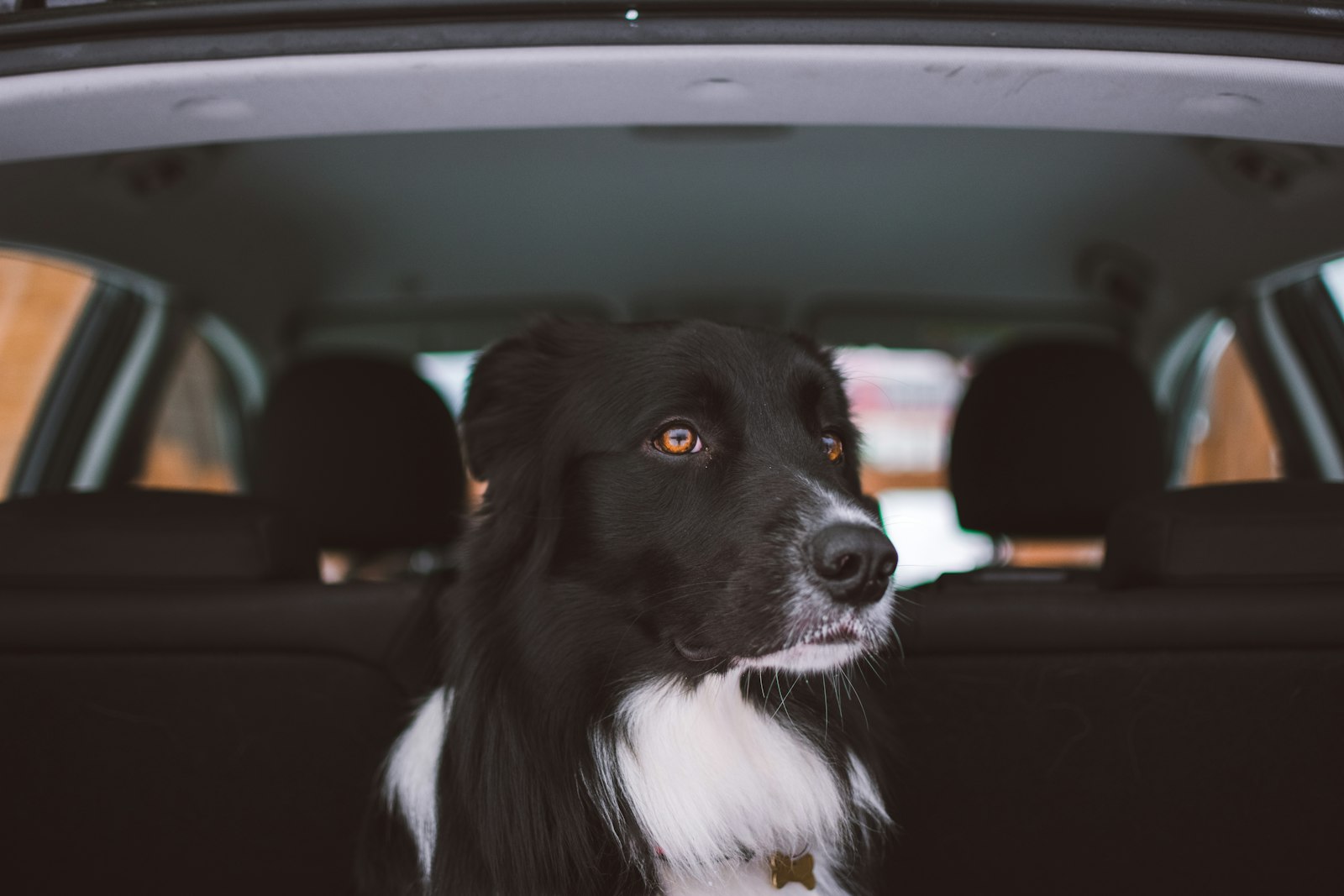
The Clickit Sport Plus is currently the only harness in this weight class to hold a 5-star rating from the Center for Pet Safety, and it’s rated for dogs up to 90 pounds in Medium through XL sizes, which covers most large-breed dogs (check the chest-girth chart for dogs at the very top of that range). The vest uses an infinity-loop webbing design across a padded chest panel, so impact force spreads across the sternum instead of concentrating on the neck the way a collar-style restraint would. It also doubles as a walking harness, so you’re not buying a second piece of gear that only comes out for car rides. The common complaints are sizing running snug and the harness being fiddly to buckle in, not the safety hardware itself.
- Pros: Only 5-star CPS-certified option at this size, doubles as an everyday walking harness, padded chest panel spreads crash force away from the neck
- Cons: Runs warm on thick-coated dogs in summer, the highest price of the three, sizing runs snug so check the brand’s chest measurement chart before ordering rather than going by breed alone
2. Ruffwear Load Up
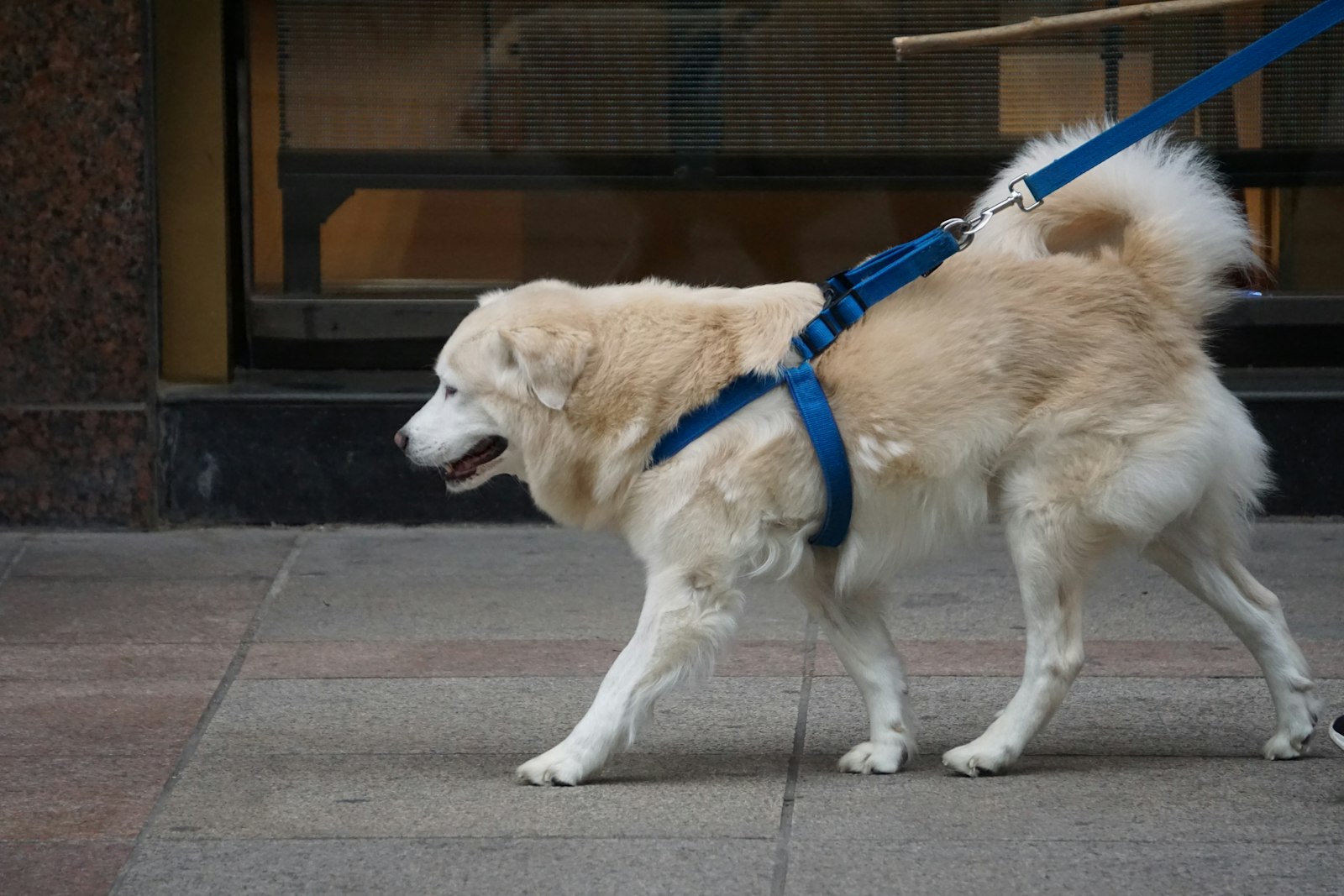
The Load Up is built and sold specifically as a car harness, with a universal seatbelt loop and strength-rated metal hardware, and Ruffwear has published its dynamic crash testing against FMVSS 213 test conditions on its own site rather than just implying it. It hasn’t gone through CPS’s separate certification process, so it sits a tier below the Clickit Sport Plus on paper, but it’s the most practical of the three for dogs who also need a harness for daily walks, since it’s built more like a standard walking harness with a handle on top. The Large/X-Large size fits a 32 to 42-inch chest girth, which covers most dogs from roughly 60 to 100 pounds depending on build.
- Pros: Dual-use as a walking and travel harness, top handle for lifting or controlling a dog getting in and out of the car
- Cons: Not CPS-certified, so it’s a step below the Clickit Sport Plus on independent verification, sizing is by chest girth rather than weight so measure before buying
3. Kurgo Tru-Fit Enhanced Strength
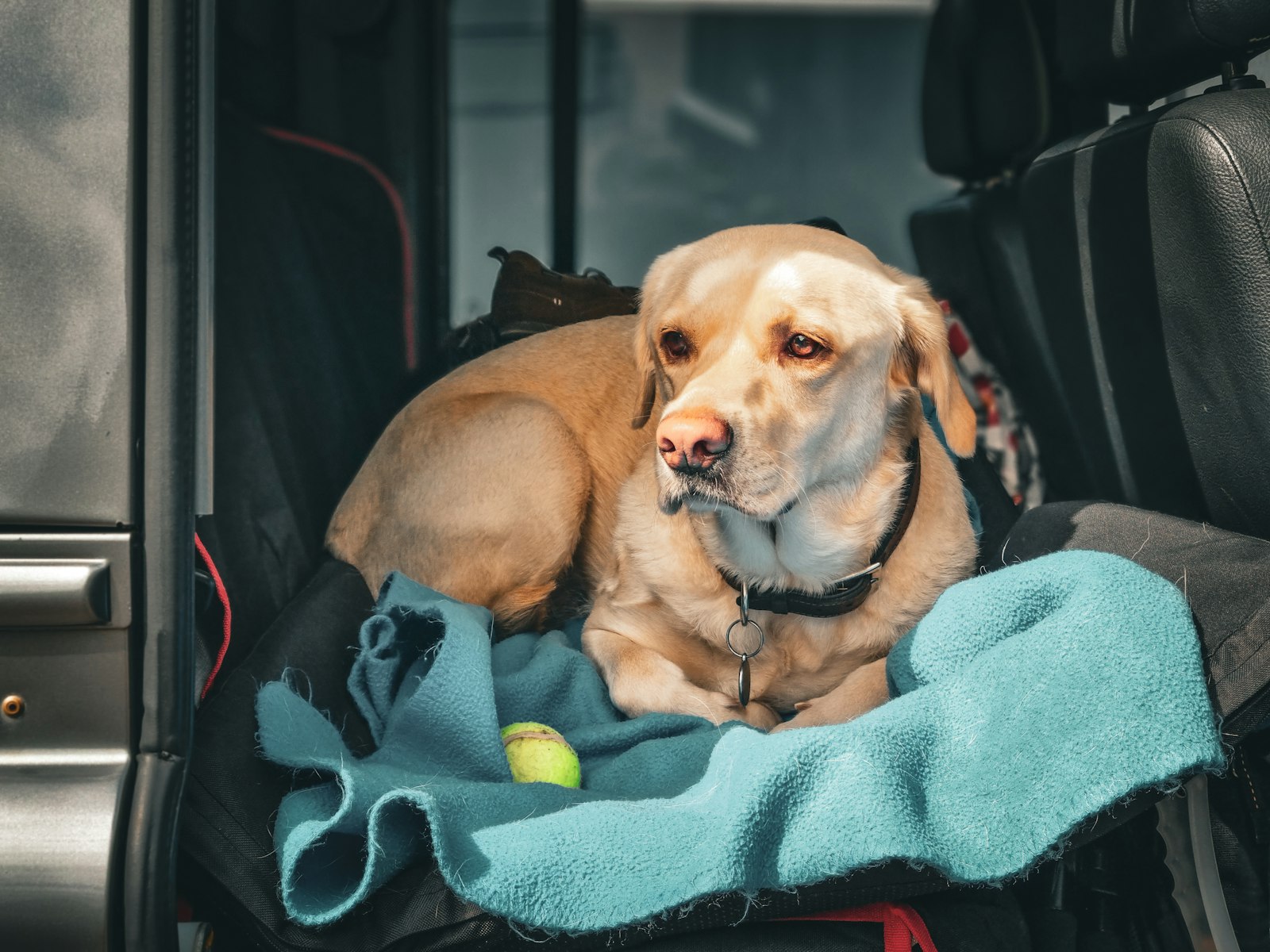
If your dog is under 75 pounds, the Tru-Fit Enhanced Strength gets you real crash testing against Kurgo’s own adapted FMVSS 213 protocol, all-steel buckles instead of plastic, and a padded chest panel, for less than half the price of the other two picks. It includes a seatbelt tether with a steel carabiner rather than requiring you to buy that separately. The tradeoff is the weight ceiling: this is not the harness for a 100-pound mastiff, and Kurgo is upfront about that limit rather than stretching the sizing to cover dogs it wasn’t built for.
- Pros: Real crash-test data at a fraction of the price, all-steel hardware, includes the seatbelt tether in the box
- Cons: 75-pound weight ceiling rules it out for the biggest large breeds, less padding than the Clickit Sport Plus on long rides
How to Choose a Crash-Tested Dog Harness
Start with your dog’s actual chest girth, not their breed’s average weight. Two 75-pound dogs can have a five-inch difference in chest measurement depending on build, and a harness that’s technically rated for their weight but loose across the chest strap won’t hold correctly in a real stop. Our full harness sizing guide walks through exactly where to measure; use that before ordering rather than guessing from the size chart alone.
After sizing, check three things in order: the stated weight or force rating, whether the testing was done by an independent lab (CPS) or the manufacturer alone, and whether the harness attaches to the seatbelt itself rather than a cargo tie-down point, which isn’t designed to absorb impact the way a seatbelt anchor is. If you’re also shopping for everyday walking gear and don’t need car-specific safety certification, our no-pull harness roundup covers that ground separately, since the features that make a harness good for loose-leash walking and the features that make it good in a crash aren’t the same list.
Safety and Maintenance Tips
- Always attach the harness to the seatbelt itself, not a cargo area tie-down; cargo anchors aren’t rated to hold under crash forces
- Inspect webbing and stitching every few months for fraying, especially near the buckles, and stop using a harness once you see wear
- Replace the harness after any real collision, even a minor one, the same way you’d replace a child’s car seat; the internal stitching and webbing can fail invisibly after one hard load
- Wash according to the manufacturer’s instructions rather than tossing it in a hot dryer, which can degrade webbing strength over time
- A crash-tested harness reduces injury risk, it doesn’t eliminate it; for dogs who won’t settle in a harness, a secured travel crate is worth considering as an alternative, and our car seat cover guide covers the rest of the setup for keeping the back seat usable either way
One more practical note: a crash-tested harness keeps your dog anchored during a stop, but it won’t stop them from leaning out an open window at highway speed, which is a separate and common source of injury. Our dog car window guard guide covers that specific risk if your dog is a window-leaner.
Frequently Asked Questions
Are crash-tested dog harnesses actually safe in a real accident, or is it mostly marketing?
It depends entirely on which harness. The ones independently certified by the Center for Pet Safety have documented sled-test results behind the claim. Many others use “crash tested” as a marketing phrase with no published protocol, facility, or speed behind it. Always look for a named test standard and, ideally, a named independent lab before trusting the label.
What’s the difference between “crash tested” and CPS certified?
Crash tested means the manufacturer or a lab ran an impact test against some standard, often FMVSS 213 test conditions. CPS certified means the Center for Pet Safety, an independent nonprofit, ran its own separate protocol and awarded a star rating. Certification is the stricter bar, and far fewer harnesses have earned it, especially in large-dog sizes.
Can a crash-tested harness double as an everyday walking harness?
Some can. The Sleepypod Clickit Sport Plus and the Ruffwear Load Up are both built to work for walks and car rides. Dedicated car-only harnesses, like some budget crash-tested models, tend to be stiffer and less comfortable for extended walking, so check whether dual use is mentioned by the manufacturer before assuming it.
How often should I replace a crash-tested dog harness?
Replace it immediately after any real collision, even a low-speed one, since internal stitching can fail without visible damage. Outside of that, inspect the webbing and buckles every few months and replace it at the first sign of fraying, cracked plastic, or a buckle that doesn’t lock firmly.
Which One Should You Buy?
For most large dogs, the Sleepypod Clickit Sport Plus is worth the higher price because it’s the only pick here with independent CPS certification rather than manufacturer-only testing. If your dog also needs a harness for daily walks and you’re comfortable with dynamic testing that stops short of full CPS certification, the Ruffwear Load Up is the better dual-purpose buy. And if your dog is under 75 pounds and budget matters more than the last tier of certification, the Kurgo Tru-Fit Enhanced Strength gets you real crash-test data without the premium price.
- Best overall and highest certification: Sleepypod Clickit Sport Plus, up to 90 lbs
- Best for dual walking and travel use: Ruffwear Load Up, 32–42 in. chest girth
- Best budget pick: Kurgo Tru-Fit Enhanced Strength, up to 75 lbs
Get the free Big-Dog Gear Starter Checklist
The exact gear a large dog actually needs, with our #1 pick in every category, from bowls to GPS trackers. Enter your email and we’ll send the printable checklist straight to your inbox (plus the occasional big-dog gear guide, no spam).