
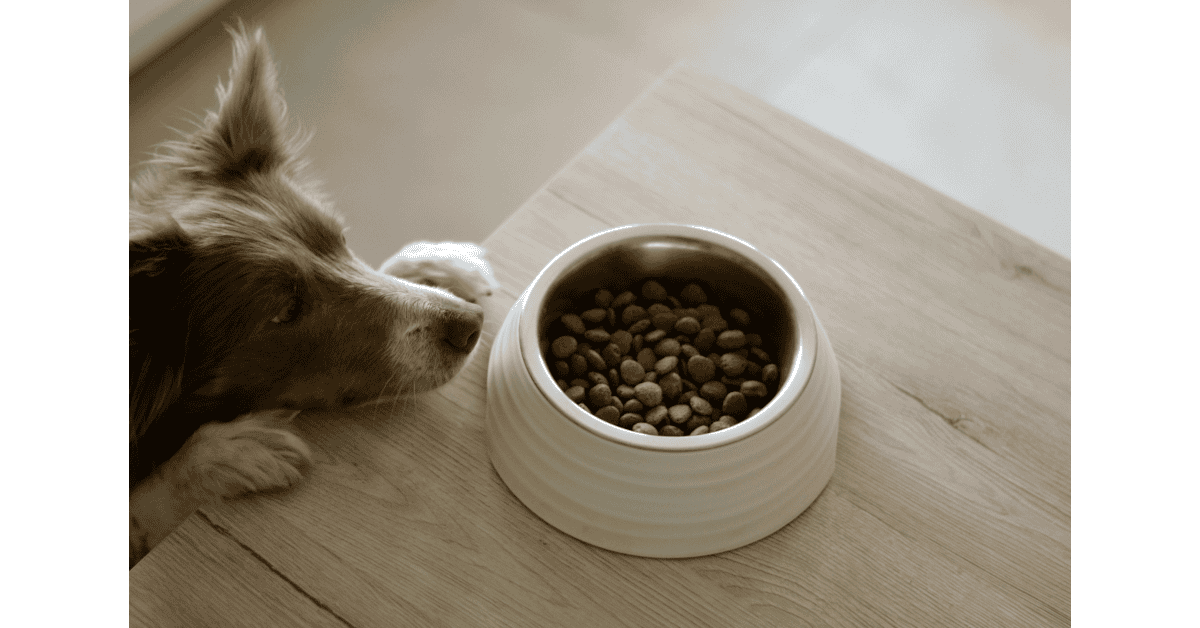
The best dog bowl for large dogs is a wide, non-slip stainless steel bowl sized so a full meal fills it about two-thirds of the way. If your dog inhales food, add a slow feeder, and only go elevated if your vet recommends it. Below are the top picks for every situation, plus sizing and material guidance for big breeds.
Named picks below link to the manufacturers’ product pages; confirm current sizes and pricing there before buying.
Top Picks at a Glance
- Non-slip stainless steel bowl: best everyday bowl for most large dogs
- Slow feeder maze bowl: best for fast eaters and gulpers
- Elevated feeder stand: best for seniors and tall breeds (with vet approval)
- Spill-proof travel bowl: best for car trips and adventures
In this guide, we’ll compare non-slip stainless steel bowls, slow-feed bowls, and elevated setups, so you can pick the best dog bowls for large dogs in your home. We’ll also point you to related guides on beds, crates, harnesses, leashes, and tough toys so your whole big-dog setup works together.
Amazon Associate disclosure: As an Amazon Associate we earn from qualifying purchases. This post contains Amazon affiliate links; if you click and buy, we may earn a small commission at no extra cost to you. See our Disclosures page for details.
Price tiers last checked: July 26, 2026. Tiers compare the picks in this guide, not the whole market. Use any Check Price link for the current price on Amazon.
Dog Bowls for Large Dogs at a Glance
| Pick | Best for | Price tier |
|---|---|---|
| 1. YETI Boomer 8 | Best everyday bowl for most large dogs | Mid-range |
| 2. Slow Feeder Maze Bowl | Best for fast eaters and gulpers | Budget |
| 3. Neater Feeder Deluxe | Best for seniors and tall breeds (with vet approval) | Premium |
| 4. Kurgo Collaps-A-Bowl | Best for car trips and adventures | Budget |
Why the Right Bowl Matters for Large Dogs
For large and giant breeds, bowl choice isn’t just cosmetic. The wrong bowl can contribute to:
- Fast eating and gulping that may increase risk of choking, vomiting, or bloat.
- Neck and joint strain if the dog has to reach awkwardly to eat or drink.
- Constant messes from sliding, flipping, or splashing bowls.
- Broken or chewed plastic that’s harder to keep clean and can harbor bacteria.
The best dog bowls for large dogs are sized correctly, made from safe materials, easy to clean, and matched to how your dog actually eats (slow nibbler vs. vacuum cleaner).
Types of Dog Bowls for Large Dogs
Most big dog families will use some combination of standard stainless bowls, slow feeders, and (sometimes) elevated stands. For a deeper overview of bowl materials, sizes, and styles, see this AKC guide on finding the right dog bowl for your dog.
Standard stainless steel bowls
Best for: Everyday food and water for most large dogs.
Stainless steel is a go-to for big dogs because it’s:
- Durable and crack-resistant.
- Non-porous and easier to keep clean.
- Dishwasher-safe in most cases.
Look for bowls that:
- Hold at least one full meal for your dog’s size (often 6–8 cups for large breeds).
- Have a rubber or silicone non-slip base so your dog isn’t pushing the bowl around the kitchen.
- Use food-safe stainless (not cheap, flaking metal).
Our pick in this category is the YETI Boomer 8: a large, non-slip stainless bowl built for big dogs.
Slow-feed bowls for big gulpers
Best for: Large dogs that inhale their meals in seconds.
Slow-feed bowls use ridges, mazes, or raised patterns inside the bowl to make your dog work around obstacles. This can:
- Slow eating and reduce gulping of air.
- Provide extra mental enrichment at mealtime.
- Help some dogs feel calmer and more satisfied after meals.
For big dogs, choose slow feeders that:
- Are clearly sized for large or giant breeds.
- Have a wide base so they don’t tip easily.
- Use food-safe materials that are easy to wash (ideally top-rack dishwasher-safe).
Our pick in this category is the Outward Hound Fun Feeder Slo Bowl in a large size: a maze-style design that’s well-suited to big dogs who gulp their food.
Elevated dog bowls (use thoughtfully)
Best for: Some senior or arthritic large dogs, or dogs with specific vet guidance.
Elevated bowls raise food and water off the floor so your dog doesn’t have to bend as far down. Many big-dog owners like them for comfort, but research on bloat risk and bowl height is mixed. Some evidence suggests elevated bowls can increase bloat risk for certain large breeds, so it’s important to talk with your vet before switching to elevated bowls if your dog is at risk. If you decide a raised stand suits your dog, our guide to elevated dog feeders for large dogs compares three options by height and stability. If you want water that keeps moving, see our water fountains for large dogs.
If your vet approves an elevated setup, look for:
- A sturdy, tip-resistant stand sized for large dogs.
- Removable stainless steel bowls for easy cleaning.
- Height that lets your dog eat with a neutral neck, not craning up or down excessively.
Our pick in this category is the Neater Feeder Deluxe: a stainless elevated feeder with removable bowls and a stable base.
Spill-proof and travel bowls
Best for: Road trips, camping, and dogs who love to stomp or play in their water.
For large dogs, look for spill-proof travel bowls or no-splash water bowls that:
- Have a weighted or non-slip base.
- Use a floating disc or lip to cut down on splashing.
- Are easy to dump, rinse, and refill on the go.
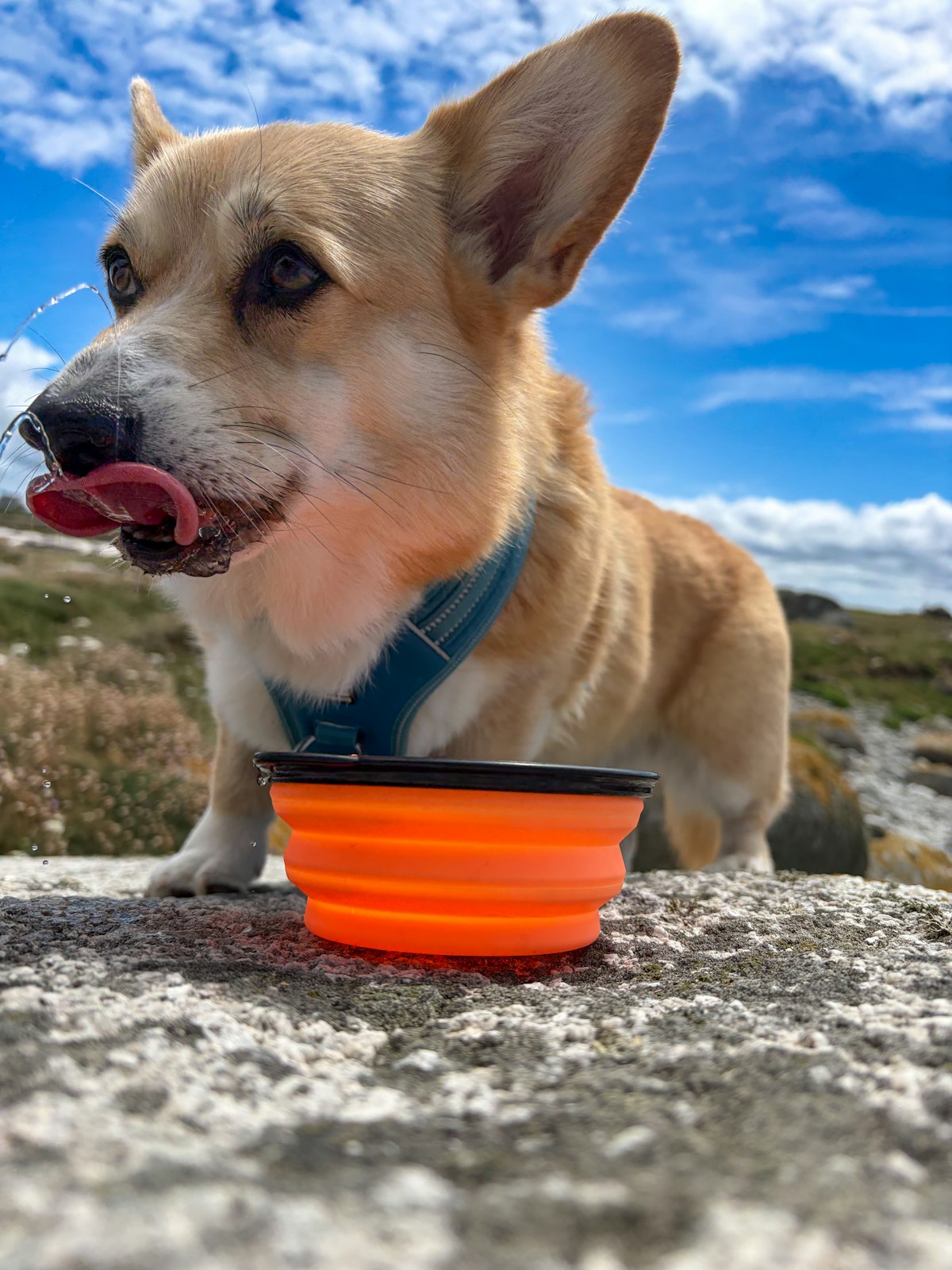
Our pick in this category is the Kurgo Collaps-A-Bowl: a collapsible, spill-resistant bowl that’s easy to pack for trips.
Best Dog Bowls for Large Dogs: Our Top Categories
Rather than chasing one “perfect” bowl, think in categories and build a small rotation that covers daily food, water, and slower enrichment meals.
1. Everyday non-slip stainless bowl: YETI Boomer 8
For most big dogs, start here. An everyday stainless bowl with a rubber base is simple, durable, and easy to clean.
- Use it for: regular meals and water.
Pros:
- Sturdy, hygienic, relatively inexpensive.
Cons:
- Doesn’t slow eating on its own; some dogs can still push it if the non-slip ring is worn out.
2. Slow feeder bowl for fast eaters

If your dog “vacuum cleans” meals, a slow feeder is one of the best upgrades you can make. It won’t cure bloat risk by itself, but it can meaningfully slow intake and turn a 30-second gulp into a 10-minute enrichment activity.
- Use it for: main meals, especially dry food.
Pros:
- Slows eating, adds mental work, more satisfying mealtimes.
Cons:
- Takes more time to wash; some designs can be tricky if your dog has a very short muzzle.
We compare specific slow feeders in depth in our full slow-feeder bowl guide for large dogs.
3. Elevated feeder (if your vet approves): Neater Feeder Deluxe

If your dog has arthritis, spinal issues, or other conditions and your vet recommends an elevated feeder, it can make mealtimes more comfortable. Just be sure you’re choosing elevation for your dog’s specific medical needs, not just for aesthetics.
- Use it for: dogs with joint or mobility issues, when advised by your vet.
Pros:
- Easier reach, less bending for some dogs.
Cons:
- Mixed research around bloat risk; not recommended without veterinary input for at-risk breeds.
4. Spill-proof or travel bowl for big dogs on the go: Kurgo Collaps-A-Bowl

For large dogs that hike, camp, or ride in the car often, a travel bowl or no-spill water bowl makes life easier. A good travel bowl lets you maintain your dog’s normal feeding and hydration routine away from home.
- Use it for: car rides, hiking, day trips, and vacations.
Pros:
- Less mess, easier hydration on the go.
Cons:
- Often smaller capacity; may not replace a full-size at-home bowl.
How to Choose the Right Size Bowl for a Large Dog
Picking the right bowl size for your large dog is straightforward if you keep a few guidelines in mind:
- Meal volume: measure how many cups of food your dog eats per meal. Choose a bowl that comfortably holds that amount with a bit of extra room.
- Head size and muzzle shape: broad-headed dogs (like Labs) need a wider opening than narrow-muzzled dogs.
- Water needs: dogs should always have access to fresh water. Choose a water bowl big enough that you don’t have to refill it constantly.
Also think about your overall home layout. In a small apartment, a low-profile stainless bowl might pair best with your big dog apartment setup. In a large house with a mudroom, you might have room for a slow feeder and a big, spill-proof water station.
Keeping Bowls Clean and Safe
No matter which bowls you choose, cleanliness is huge for big dogs that drool, stomp, and splash more than small breeds.
- Wash food bowls after every meal (or at least daily).
- Wash water bowls at least once a day to prevent slime buildup.
- Inspect plastic bowls regularly for scratches or chewed areas that can harbor bacteria.
- Replace any bowl that’s cracked, warped, or difficult to fully clean.
Bowls live in the same ecosystem as your dog’s bed, crate, and crate-time routine, so keeping them clean supports your dog’s overall comfort and health.
Frequently Asked Questions
Do large dogs need bigger bowls?
Yes. Large dogs typically eat more food and drink more water, so they need bowls with higher capacity and a wide enough opening for their head and muzzle. A too-small bowl can be frustrating and messy.
Are slow feeders good for large dogs?
Slow feeders can be great for big dogs that eat too fast. They can help reduce gulping and add enrichment. Just pick a model designed for large breeds and monitor your dog at first to make sure they can use it comfortably.
Are elevated dog bowls safe for large dogs?
It depends. Some owners use elevated bowls for senior or arthritic dogs, but research on bloat and bowl height is mixed. Talk to your vet before switching to elevated bowls, especially if your dog is a large or giant breed prone to bloat.
What material is best for dog bowls?
For most large dogs, stainless steel is the best all-around material: durable, easy to clean, and less likely to harbor bacteria. Slow feeders are often made from sturdy plastic; just choose food-safe materials and inspect them regularly for wear.
Which One Should You Buy?
The best dog bowls for large dogs fit your dog’s size, eating style, and health needs. For most big dogs, a simple setup works well:
- One or two large, non-slip stainless bowls for everyday food and water.
- One slow feeder bowl for high-energy or fast-eating meals.
- Optional elevated or travel bowls if your vet and lifestyle call for them.
To round out your big-dog gear, check out:
- Best dog beds for large dogs
- Best dog crates for large dogs
- Best dog harnesses for large dogs
- Best dog leashes for large dogs
- Best dog collars for large dogs
- Best dog toys for aggressive chewers
- Leash training for large dogs: how to stop pulling
- Apartment setup for big dogs
- All Dog Gear guides
Dial in your dog’s bowls now, and every meal will quietly support better digestion, cleaner floors, and a calmer, happier big dog.
Dog Bowl Size Guide for Large Dogs (Quick Reference)
Use this as a starting point, then tweak for your specific dog:
- 50–70 lb dogs (Labs, Boxers): food bowl 3–4 cups, water bowl 6–8 cups, bowl rim 10–14 inches from the floor.
- 70–90 lb dogs (Goldens, German Shepherds): food bowl 4–6 cups, water bowl 8–12 cups, rim height 14–18 inches.
- 90+ lb dogs (Great Danes, Mastiffs): food bowl 6+ cups, water bowl 12–16 cups, rim height 18–22 inches.
To find the right bowl height: measure from the floor to the top of your dog’s front leg (elbow area), then subtract 3–6 inches: place the bowl rim at that height. For capacity, choose a food bowl that holds 1.5–2× your dog’s typical meal so kibble doesn’t mound over the rim. If your dog is hunching down or stretching up to eat, adjust the height, and check with your vet if your dog has joint or digestive issues.
Feeding on a schedule? If you’re away at mealtimes, a smart feeder with big-dog portions can handle dinner. See our comparison of the best automatic dog feeders for large dogs.
For dogs that inhale their food, see our dedicated guide to the best slow feeder bowls for large dogs.
Bowl choice is only half of it. For how much a big dog should actually be eating and how often, see our large dog feeding guide.
Get the free Big-Dog Gear Starter Checklist
The exact gear a large dog actually needs, with our #1 pick in every category, from bowls to GPS trackers. Enter your email and we’ll send the printable checklist straight to your inbox (plus the occasional big-dog gear guide, no spam).