

The Kurgo North Country Dog Coat is our top pick for large dogs: a waterproof, windproof snow coat with reflective fleece lining that holds up to daily winter walks. Compare it against two other picks below, plus how to know if your large dog even needs a coat in the first place.
The best dog winter coat for large dogs is the Kurgo North Country Dog Coat: waterproof, windproof, and reflective for daily cold-weather walks. For colder days, the IECOii Extra Warm Dog Coat adds a thick fleece lining and a high collar for freezing walks. And the BEAUTYZOO Dog Winter Coat is the budget pick, with genuine waterproofing built specifically for large breeds at a fraction of the price.
Amazon Associate disclosure: As an Amazon Associate we earn from qualifying purchases. This post contains Amazon affiliate links; if you click and buy, we may earn a small commission at no extra cost to you. See our Disclosures page for details.
Does a Large Dog Even Need a Winter Coat?
It depends more on coat type than size. Double-coated large breeds (Huskies, Malamutes, Bernese Mountain Dogs) usually handle cold well on their own. Short-coated large breeds (Greyhounds, Boxers, Dobermans) and senior or thin-coated large dogs lose heat fast and benefit from a real winter coat once temperatures drop toward freezing, especially during long walks or in wind and wet snow.
A large-dog winter coat should give you:
- Waterproof or water-resistant outer shell, not just a fleece layer that soaks through
- Full belly and chest coverage, since large dogs sit lower relative to snow depth than their size suggests
- A harness-compatible design or opening so you don’t have to choose between warmth and leash control
- Reflective trim for visibility on darker winter walks
Best Winter Coats for Large Dogs: Our Top Picks
Price tiers last checked: October 4, 2026. Tiers compare the picks in this guide, not the whole market. Use any Check Price link for the current price on Amazon.
Recent updates (4 Oct 2026): we re-checked all three coats on Amazon in the sizes we link: each is in stock (the Kurgo X-Large is running low), and the price tiers are unchanged.
Dog Winter Coats for Large Dogs at a Glance
| Pick | Best for | Price tier |
|---|---|---|
| 1. Kurgo North Country (XL) | Best overall | Premium |
| 2. IECOii Extra Warm Dog Coat (XXXL) | Best for extra warmth | Mid-range |
| 3. BEAUTYZOO Dog Winter Coat (L) | Best budget pick | Budget |
1. Kurgo North Country Dog Coat (X-Large): Best overall
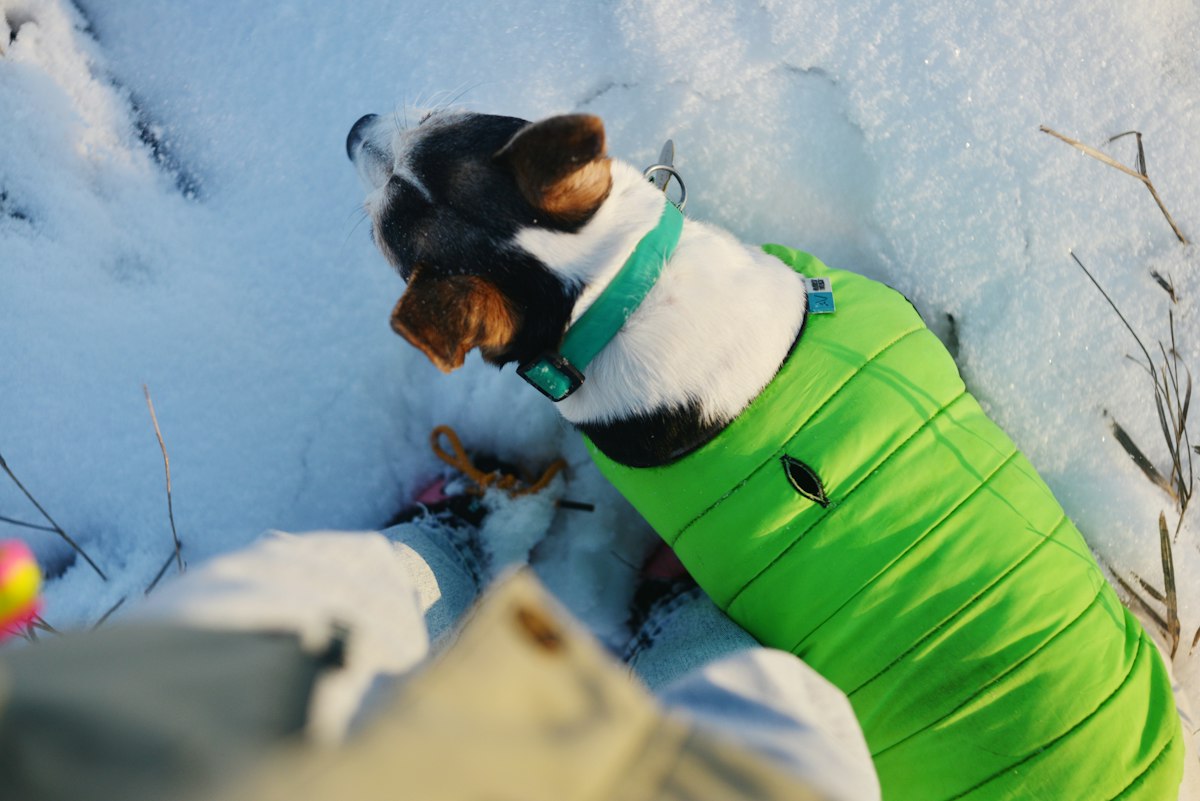
The North Country is a waterproof, windproof snow coat with reflective fleece lining, built to handle the daily grind of winter walks rather than just the occasional cold snap. It covers the chest and back well without the bulk of a heavily insulated jacket.
Why we like it for large dogs
- Waterproof and windproof shell handles wet snow and cold wind on daily walks
- Reflective fleece lining adds visibility on dark winter mornings and evenings
- Lighter weight than heavily insulated jackets, so it doesn’t restrict movement
Best for
- Daily winter walks in moderately cold, wet conditions
- Short-coated large breeds that need reliable everyday protection
- Owners who want a proven, well-reviewed everyday coat
Watch for
- Not as heavily insulated as dedicated extreme-cold jackets
- No built-in harness opening, so check compatibility with your dog’s harness
2. IECOii Extra Warm Dog Coat (XXX-Large): Best for extra warmth

Where the Kurgo is built around weatherproofing, the IECOii leans into warmth: a thick coral fleece lining, a high turtleneck collar with a drawstring to keep wind off the ears, and a water-resistant outer that handles snow flurries and drizzle. The XXX-Large fits a 35 to 41.3 inch chest, which covers most Labs, Goldens, Shepherds and Huskies, and hidden elastic leg straps stop it twisting round mid-walk. It also has a harness hole and a reflective strip on the back.
Why we like it for large dogs
- Thick fleece lining and a high collar for genuinely cold mornings, not just a windbreak
- Sized for big chests, with a 35-41.3″ XXX-Large and a larger XXXX-Large for giant breeds
- Quick-release belly buckle and a harness hole, so it goes on over a walking harness in seconds
Best for
- Short-coated or senior large dogs that feel the cold
- Daily walks in freezing weather and light snow
Watch for
- Water-resistant rather than fully waterproof, so it isn’t the coat for long hikes in heavy wet snow
- Sizing runs by chest girth; measure first, because the neck opening on the XXX-Large is generous
- Fleece lining can be too warm on mild days
3. BEAUTYZOO Dog Winter Coat (Large): Best budget pick
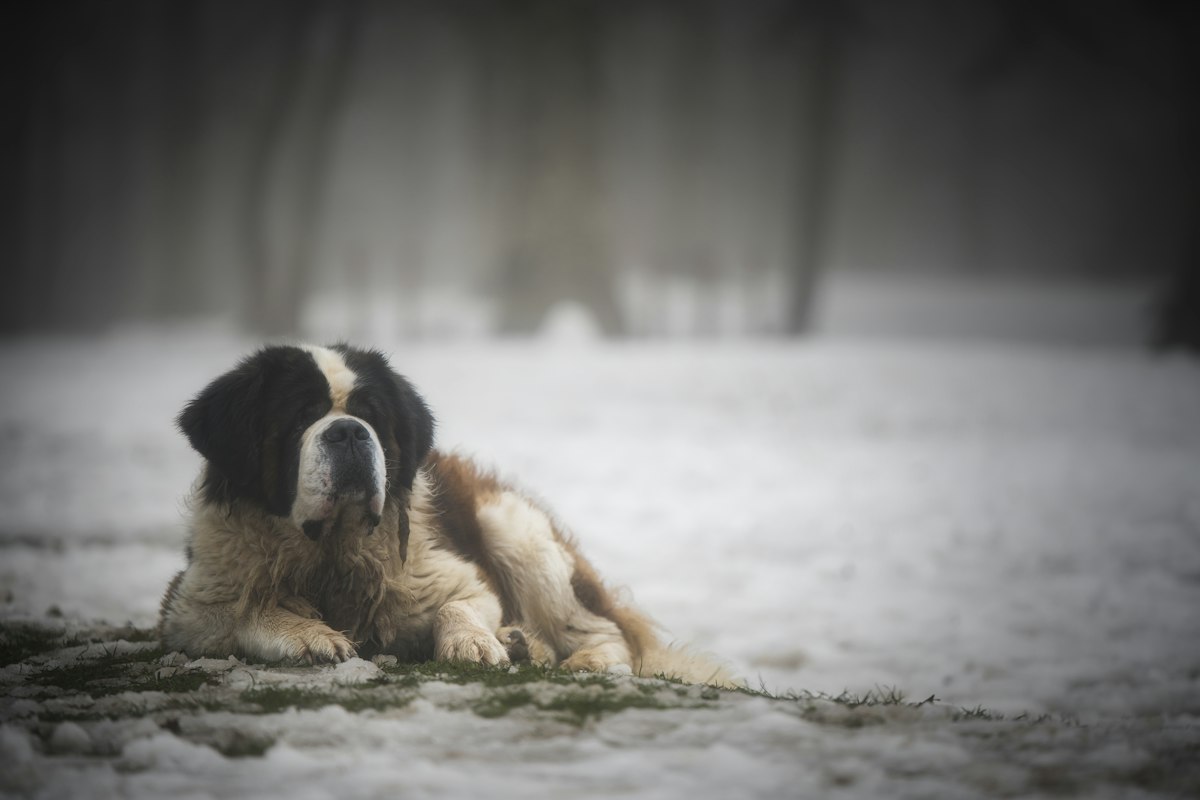
A genuinely large-breed-specific coat at a fraction of the price of the other two picks. The oxford canvas shell is waterproof and windproof, with a soft fleece lining and reflective strips, making it a solid choice if you just need reliable cold and wet-weather coverage without the premium price tag.
Why we like it for large dogs
- Sized specifically for large and giant breeds, unlike many budget coats
- Waterproof oxford canvas shell holds up in rain and snow
- Reflective strips add visibility for early morning or evening walks
Best for
- Budget-conscious owners who still want real large-breed sizing
- Mild-to-moderate cold and wet conditions
- Backup or second coat for rotating during washing
Watch for
- Less insulation than the Ruffwear for genuinely harsh winters
- Sizing runs by weight ranges, so check the chart carefully before ordering
How to Choose a Winter Coat for a Large Dog
Insulation vs. shell-only
Shell-only coats (waterproof/windproof with light or no fill) are enough for double-coated breeds and mild climates. Insulated coats add real warmth for thin-coated breeds, seniors, or genuinely cold, snowy regions. Buying a heavily insulated coat for mild weather often backfires: dogs overheat on anything more than a short walk.
Coverage and harness compatibility
Look for belly and chest coverage, since large dogs lose heat fast through a low-slung underside on snow. A coat that leaves a harness opening or lies flat enough for a harness on top saves you from wrestling gear on and off every walk.
Sizing by chest girth, not just weight
Weight-based size charts are a rough guide at best. Measure chest girth (widest part behind the front legs) and back length (base of neck to base of tail) and match both to the brand’s chart, since large-breed body shapes vary a lot between, say, a Greyhound and a Rottweiler.
Visibility features
Winter walks often happen in low light. Reflective trim, piping, or a light-loop attachment point are worth prioritizing, especially if you’re walking along roads or in early morning/evening darkness.
How to Get Your Large Dog Used to a Winter Coat
- Let your dog sniff and investigate the coat unzipped/unclipped before putting it on.
- Drape it over their back for a few seconds at a time, rewarding calm behavior with treats.
- Fasten the belly strap and chest closure loosely first, then adjust to the correct snug-but-not-tight fit.
- Do a short indoor walk in the coat before heading outside, so they get used to the feel and sound of the fabric.
- Keep first outdoor sessions short, and build up wear time gradually over several days.
Frequently Asked Questions
How cold does it need to be for a large dog to need a coat?
Most short-coated or thin-coated large dogs benefit from a coat once temperatures drop into the 30s°F (around 0°C), especially with wind or wet snow. Double-coated breeds often don’t need one until it’s well below freezing, if at all.
Do double-coated large breeds need a winter coat?
Usually not for normal winter walks: their double coat already provides strong insulation. Exceptions are extreme cold snaps, very long outings, or senior dogs whose coats have thinned.
Can I leave a winter coat on my dog indoors?
It’s best to remove it indoors. Dogs regulate heat differently than humans, and an insulated coat left on inside can cause overheating even in a cool house.
How do I know if the coat fits correctly?
You should be able to fit two fingers flat between the coat and your dog’s body at the neck and chest. It shouldn’t restrict shoulder movement, and it shouldn’t slide side to side or ride up over the back during walking.
Are winter coats safe to wear with a harness?
Yes, as long as the coat has a harness opening or lies flat enough to strap a harness over it without bunching. Check this before buying if your dog wears a harness on every walk.
How often should I wash a dog winter coat?
Follow the manufacturer’s care instructions, but most waterproof coats hold up better with air-drying and spot-cleaning rather than frequent full washes, since repeated machine washing can break down the waterproof coating over time.
Which One Should You Buy?
If you want the best all-round coat for a large dog, get the Kurgo North Country Dog Coat in X-Large.
If your dog runs cold and needs extra warmth, get the IECOii Extra Warm Dog Coat in XXX-Large (chest about 35 to 41 inches).
If you want a warm coat for the least money, get the BEAUTYZOO Dog Winter Coat in Large (chest about 28 to 38 inches).
Measure your dog’s chest girth before ordering; our large dog breed weight chart shows typical sizes by weight class.
Get the free Big-Dog Gear Starter Checklist
The exact gear a large dog actually needs, with our #1 pick in every category, from bowls to GPS trackers. Enter your email and we’ll send the printable checklist straight to your inbox (plus the occasional big-dog gear guide, no spam).
Coats cover the body, not the feet. On grit, salt and ice, see the best dog boots for large dogs.
A coat solves cold. For the opposite problem, see our guide to best cooling vests for large dogs.