
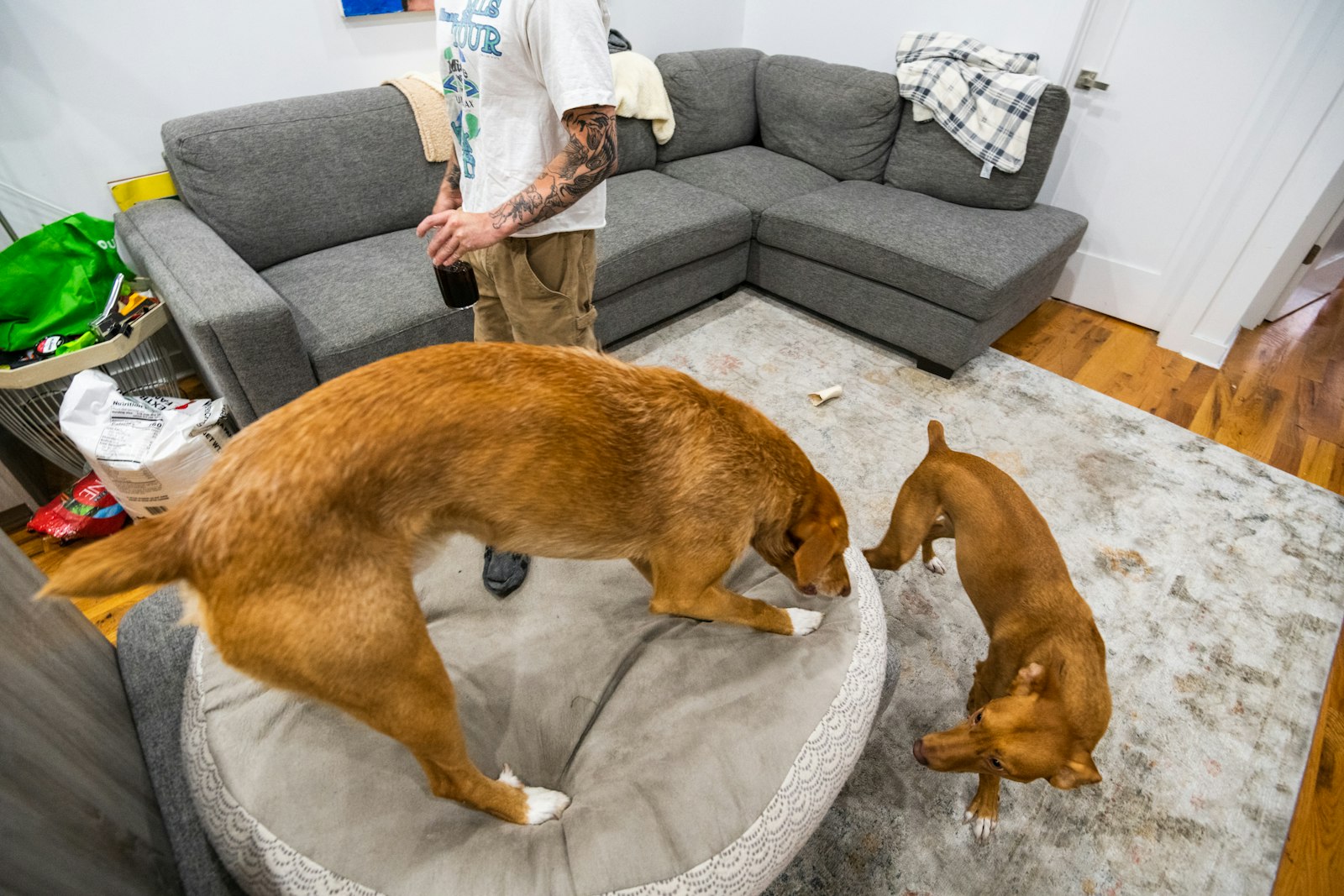
The best large dog breeds for apartments aren’t necessarily the smallest ones. They’re the calmest indoors. Greyhounds, Great Danes, Mastiffs, and a handful of other big breeds are famous among trainers and vets for being surprisingly low-key once they’re inside four walls, while some small breeds are far more reactive and vocal. If you’re picking a dog for apartment life (or wondering whether the big dog you already have is a good fit), size on paper matters less than energy level, noise habits, and how much daily exercise a breed realistically needs.
Below: six large breeds that tend to do well in apartments, what to actually watch out for with each one, and the factors that matter more than square footage. Every dog is an individual, so treat breed tendencies as a starting point, not a guarantee. Talk to breeders, rescues, or a vet about a specific dog’s temperament before you commit.
Best Large Dog Breeds for Apartments: Quick List
Guide last updated: July 26, 2026.
- Greyhound: low daily exercise needs, quiet, but thin-coated and prey-driven on leash.
- Great Dane: calm “gentle giant” temperament, needs floor space more than yard space.
- Mastiff: very low energy and protective, but heavy and prone to drooling.
- Bullmastiff: quiet guardian breed with moderate exercise needs.
- Basset Hound: low energy but can be vocal, which matters with thin apartment walls.
- Irish Wolfhound: one of the tallest breeds but known for a gentle, low-key indoor temperament.
The Breeds, Ranked by Apartment-Friendliness
1. Greyhound
Greyhounds have a reputation among sighthound owners as “45-mph couch potatoes”, built for short, explosive sprints rather than sustained activity, which means a couple of short walks plus a chance to stretch their legs in a fenced area covers most of their exercise needs. Indoors, retired racing Greyhounds in particular are known for sleeping much of the day.
- Why it works: low activity level indoors, minimal barking, short single coat means less shedding to manage in a small space.
- Watch out for: thin coat means they get cold easily and often need a jacket in winter; strong prey drive means leash security matters on walks.
2. Great Dane
Great Danes are often called “gentle giants” for a reason. Past puppyhood, most settle into a calm, affectionate temperament that doesn’t demand hours of exercise. What they need instead is room to lie down and turn around comfortably, which makes floor plan more important than square footage. See our apartment layout guide for how to plan around a dog this size.
- Why it works: calm, affectionate temperament and moderate exercise needs once past the puppy stage.
- Watch out for: sheer size means an oversized crate and bed, and some buildings have breed or weight restrictions worth confirming before you sign a lease.
3. Mastiff
English Mastiffs are among the lowest-energy large breeds, calm and protective without being reactive, and content with a couple of moderate walks a day rather than intense exercise.
- Why it works: very low energy and naturally protective without excessive barking.
- Watch out for: among the heaviest dog breeds, and prone to drooling, worth factoring into flooring and furniture choices.
4. Bullmastiff
Bullmastiffs were originally bred to patrol quietly rather than bark, and that instinct tends to carry over into apartment living. Most are watchful but not noisy, with moderate rather than high exercise needs.
- Why it works: naturally quiet, watchful temperament and moderate exercise needs.
- Watch out for: strong protective instincts mean early socialization matters, especially with neighbors and building staff.
5. Basset Hound
Bassets are low-energy and easygoing, which sounds ideal for apartment life, but they’re also a scent hound bred to bay, and that vocal habit is worth testing for before committing if you share walls with neighbors.
- Why it works: low exercise needs and a laid-back, easygoing temperament.
- Watch out for: can be vocal (baying, not just barking), and their long ears and skin folds need regular cleaning.
6. Irish Wolfhound
Despite being one of the tallest dog breeds, Irish Wolfhounds are frequently described by owners and breed clubs as gentle, quiet, and surprisingly low-energy indoors once they’re past the puppy growth phase.
- Why it works: calm, gentle temperament and minimal barking.
- Watch out for: their height means counter-surfing is easy, and they need enough clear floor space to stretch out fully.
What Actually Matters More Than Size
Square footage is rarely the deciding factor in whether a large dog does well in an apartment. These five things matter more:
- Indoor energy level: a breed’s activity level at rest matters more than its size. Some giant breeds nap most of the day, while some small breeds are constantly active.
- Noise habits: barking, baying, or howling tendencies affect neighbors more than size does. Ask breeders and rescues directly about vocal habits.
- Shedding and drool: heavy shedders and droolers need more cleanup in a small space than in a house.
- Lease weight and breed restrictions: many buildings cap dog weight or restrict specific breeds. Confirm this in writing before committing to a dog or a lease.
- Daily exercise, regardless of home size: even the calmest large breed still needs real daily walks. An apartment doesn’t reduce a dog’s exercise requirement. It just means that exercise has to happen outside the home instead of in a yard.
Setting Up Your Apartment Once You’ve Picked a Breed
Once you’ve settled on a breed, layout does most of the remaining work. Our big dog apartment setup guide walks through the four zones that matter: crate, bed, toys, and a gear station by the door, plus floor plan ideas for small spaces. For gear specific to a large or giant breed, see our guides to crates and beds sized for big dogs.
Frequently Asked Questions
Are large dogs actually good for apartments?
Many are. Several giant and large breeds are naturally low-energy indoors, and a calm large dog can be an easier apartment fit than a high-energy small breed. The key factors are indoor energy level, noise habits, and a realistic daily exercise plan, not square footage.
Do landlords allow large dog breeds in apartments?
It varies by building and sometimes by city or insurance policy. Some buildings cap dogs by weight, some restrict specific breeds, and some have no restrictions at all. Always confirm pet policy in writing before signing a lease or committing to a dog.
What large dog breeds bark the least?
Greyhounds, Mastiffs, Bullmastiffs, and Irish Wolfhounds are frequently cited by owners and breed clubs as relatively quiet breeds. Basset Hounds are calm but are a notable exception. They’re prone to vocal baying, which is worth testing for before committing if you share walls with neighbors.
How much exercise do apartment-friendly large breeds still need?
Being “apartment-friendly” describes indoor temperament, not exercise requirements. Most large breeds still need at least one or two real walks a day, and some, like Greyhounds, benefit from occasional sprint sessions in a securely fenced area to satisfy their instinct to run.
Final Thoughts
Size alone doesn’t determine whether a large dog will thrive in an apartment. Breeds like Greyhounds, Great Danes, Mastiffs, Bullmastiffs, and Irish Wolfhounds are worth a look precisely because they tend to be calm indoors, while a noisier or higher-energy breed of any size can be a tougher fit. Confirm your building’s pet policy, talk to breeders or rescues about a specific dog’s temperament, and plan your layout around the four zones in our apartment setup guide.
Get the free Big-Dog Gear Starter Checklist
The exact gear a large dog actually needs, with our #1 pick in every category, from bowls to GPS trackers. Enter your email and we’ll send the printable checklist straight to your inbox (plus the occasional big-dog gear guide, no spam).