
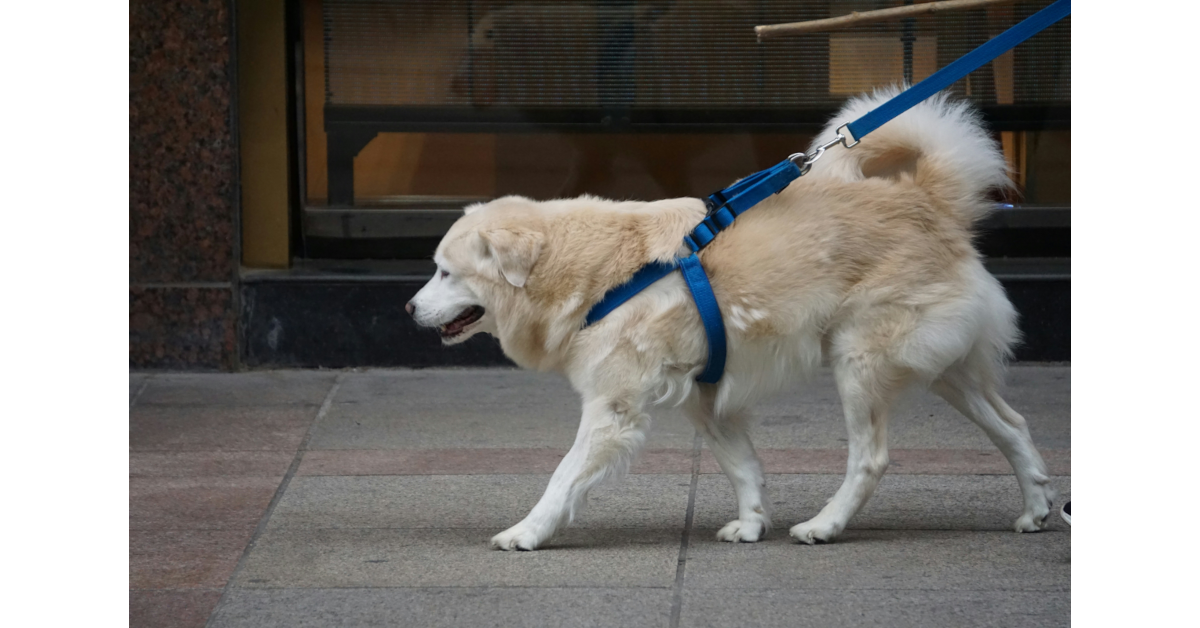
The best dog leash for large dogs is the Max and Neo Double Handle 6-Foot Leash: the second traffic handle near the clip gives you instant close control when a big dog lunges. The BAAPET rope leash is the budget runner-up, and the Mighty Paw bungee is best for hands-free walks and runs. The PetSafe Nylon Leash is a simple, no-frills standard pick, and the NIMBLE 30-foot training line is best for recall work. Full rankings plus length, material, and safety guidance below.
Amazon Associate disclosure: As an Amazon Associate we earn from qualifying purchases. This post contains Amazon affiliate links; if you click and buy, we may earn a small commission at no extra cost to you. See our Disclosures page for details.
Top Picks at a Glance
- Max and Neo Double Handle 6-Foot Leash: best overall for control
- BAAPET Strong 6-Foot Rope Leash: best budget pick
- Mighty Paw Bungee Hands-Free Leash: best for running and hiking
- PetSafe Nylon Dog Leash: best standard everyday leash
- NIMBLE Waterproof Training Leash: best for recall training
Below you’ll find my favorite strong, tangle-resistant leashes for large dogs, plus a quick guide to choosing the best style for your pup.
Price tiers last checked: August 27, 2026. Tiers compare the picks in this guide, not the whole market. Use any Check Price link for the current price on Amazon.
Dog Leashes for Large Dogs at a Glance
| Pick | Best for | Price tier |
|---|---|---|
| 1. Max and Neo Double Handle 6-Foot | Best overall for control | Mid-range |
| 2. BAAPET Strong 6-Foot Rope Leash | Best budget pick | Budget |
| 3. Mighty Paw Bungee Hands-Free | Best for running and hiking | Premium |
| 4. PetSafe Nylon Dog Leash | Best standard everyday leash | Budget |
| 5. NIMBLE Waterproof Training Leash | Best for recall training | Mid-range |
Best Dog Leashes for Large Dogs: Quick Picks
- Best all-around leash for big dogs: Max and Neo Double Handle 6-ft Leash: great control in crowded areas.
- Best value rope leash: BAAPET Strong 6-ft Rope Leash: cushioned handle and reflective stitching.
- Best for strong pullers & running: Mighty Paw Bungee Hands-Free Leash: absorbs shock and leaves your hands free.
- Best simple everyday leash: PetSafe Nylon Dog Leash: classic single-handle nylon leash, proven and affordable.
- Best for recall training: NIMBLE Waterproof Training Leash: 30-foot long line for open-space training.
How to Choose a Leash for Large Dogs
Before you pick a leash, it helps to know what actually matters for big-dog safety and control.
1. Length
- 6 feet is the sweet spot for everyday walks. It gives your dog enough room to sniff but keeps them close near traffic.
- 4 feet is useful for busy sidewalks or dogs who still pull a lot.
- Long lines (15–30 feet) are for training and recall practice in open spaces, not street walks.
2. Material & hardware
Look for:
- Thick nylon or climbing-style rope: durable but still comfortable to hold.
- Strong metal clip: ideally a locking carabiner or heavy snap clip.
- Reinforced stitching at stress points instead of just glue or thin thread.
If your dog is a serious chewer, don’t leave the leash on them unattended; even the toughest leash can lose that battle.
3. Handle & control
For big dogs, small details on the handle make a huge difference:
- Padded handle to protect your hands if your dog suddenly lunges.
- Traffic handle (a second handle closer to the dog) for tight control crossing streets, passing other dogs, or navigating crowds.
4. Visibility & safety
- Reflective stitching or bright colors help cars see you at night.
- Avoid flimsy clasps or plastic hardware for large dogs.
5. A quick note on retractable leashes
Retractable leashes can create too much slack and too little control for large dogs, especially around traffic or other dogs. For most big-dog owners, a sturdy 4–6 ft fixed-length leash is safer and easier to manage.
For a deeper dive into leash types and when to use each, the AKC has a helpful guide: AKC: Choosing the Right Dog Leash for Your Dog .
Best Dog Leashes for Large Dogs
1. Max and Neo Double Handle 6-Foot Leash
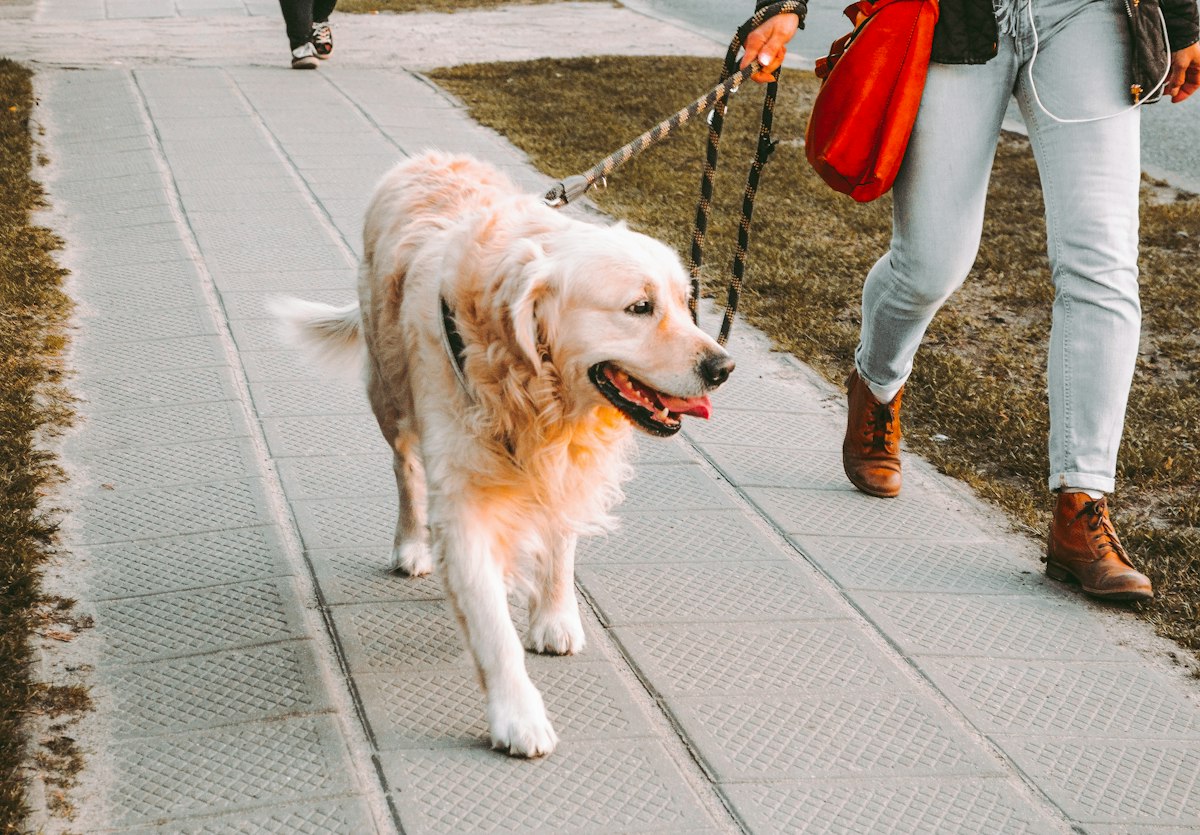
If you only want to buy one leash for your big dog, this style is my go-to. A standard 6-ft length plus a second “traffic” handle gives you instant close-control when you need it.
Why it works for big dogs:
- Strong nylon webbing designed for medium-large breeds
- Two padded handles: one at the end, one closer to the collar
- Easy to shorten in a split second when passing people, dogs, or bikes
- Reflective stitching for low-light walks
Best for: Everyday city/suburb walks, reactive or strong dogs, dogs who weave in crowds.
2. BAAPET Strong 6-Foot Rope Leash
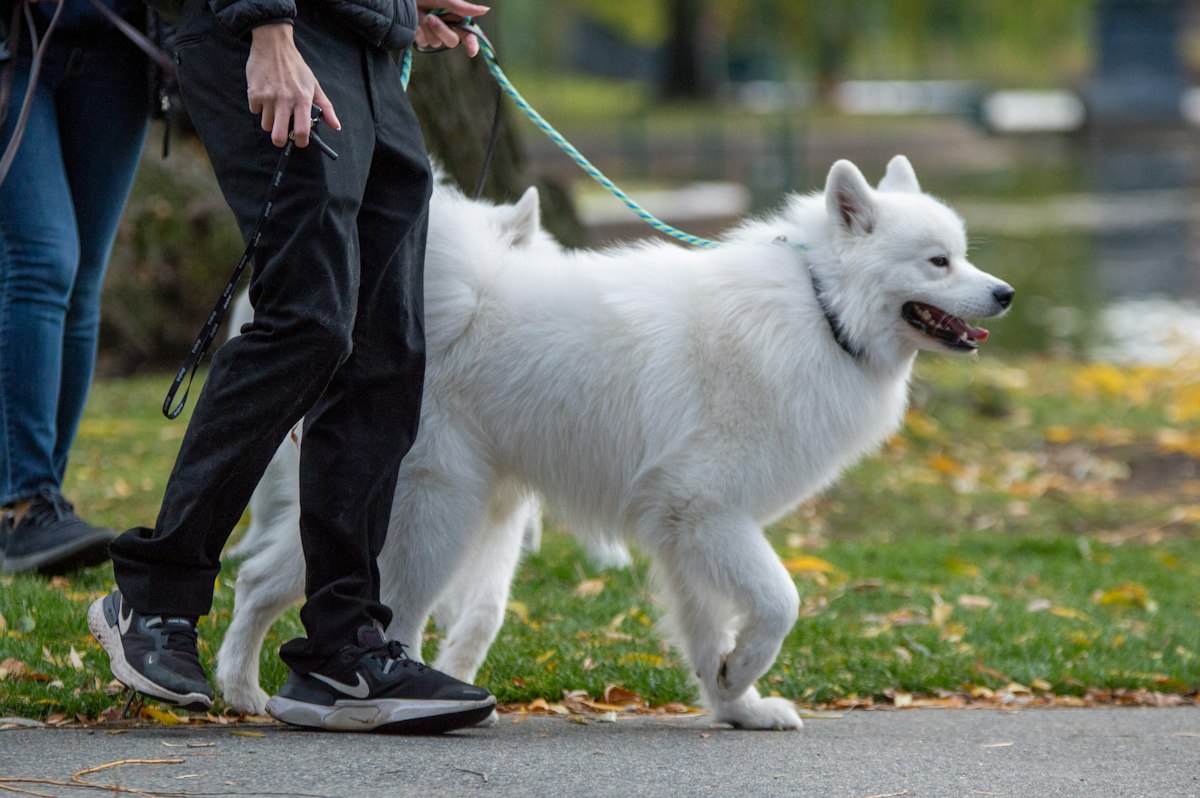
This rope-style leash is a nice upgrade from basic flat nylon. It’s thick, comfortable to grip, and built more like a climbing rope than a flimsy lead.
Why it works for big dogs:
- Thick rope with a bit of shock absorption for sudden pulls
- Padded handle that won’t shred your hands
- Reflective threads woven through the rope
- Simple, durable snap clip
Best for: Large dogs who pull on walks, bigger humans who like a comfy, chunky leash, evening or early-morning walkers.
3. Mighty Paw Bungee Hands-Free Leash

If you like to run, hike, or walk with coffee in hand, a hands-free leash can be a game changer, as long as it’s sturdy enough for your dog.
Why it works for big dogs:
- Adjustable waist belt that clips around your hips
- Bungee section absorbs pulling so your back and shoulders don’t take the hit
- Built-in handles along the leash for quick, close control
- Reflective stitching for visibility
Best for: Active owners, jogging or hiking with big dogs, dogs that sometimes lunge but are generally under control.
4. PetSafe Nylon Dog Leash
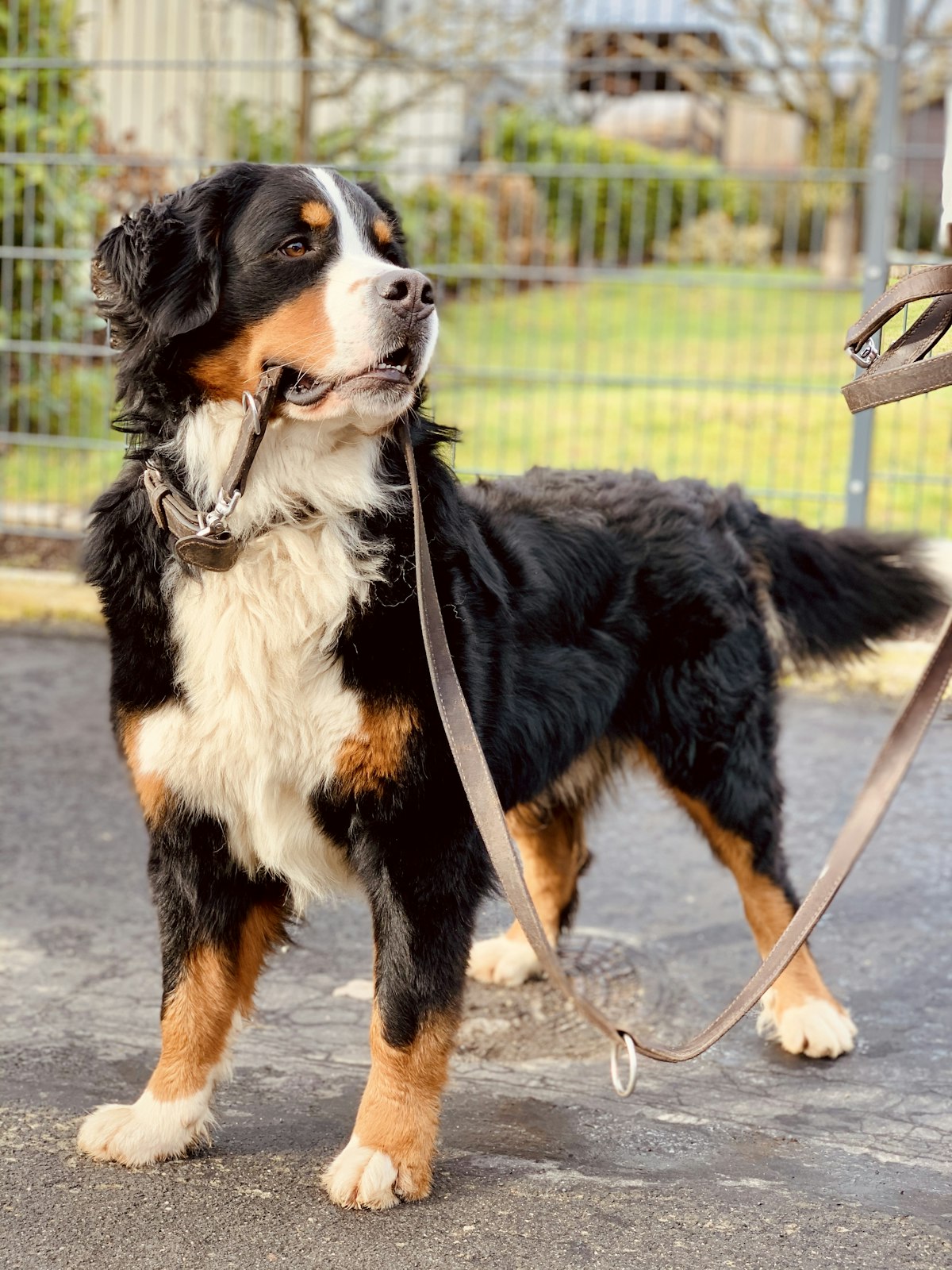
Sometimes you don’t need bells and whistles, just a leash that won’t fail you. The PetSafe Nylon Dog Leash is the classic, no-frills 6-foot leash millions of owners already trust, and the 1-inch-wide version is built with a large dog’s pulling power in mind.
Why it works for big dogs:
- 1-inch-wide nylon webbing built for serious pulling power, not the thinner straps sold for small dogs
- Simple bolt snap hooks onto a collar or harness in seconds, no fumbling with buckles
- A long-running, widely bought leash with a simple design that is hard to break
- Cheap enough to keep a spare in the car or by the door
Best for: Owners who want a simple, dependable single-handle leash for everyday walks, without paying for features they don’t need.
5. NIMBLE Waterproof Training Leash

For recall training, hiking off the beaten path, or just giving your dog more room to roam on a walk, a proper long line beats a retractable every time: it’s stronger, and you keep full manual control instead of relying on a spring-loaded brake.
Why it works for big dogs:
- PVC-coated nylon webbing rated to roughly 600 lbs of pull force, built to hold up to a large dog’s full-strength lunge
- Available in multiple lengths up to 50 feet; the 30-foot version hits the sweet spot for recall training and open-field exercise
- Weatherproof and easy to wipe down after muddy trails or wet grass
- Waterproof webbing wipes clean after muddy walks
Best for: Recall training and giving a large dog room to explore in open spaces while you keep hold of the other end.
Which Leash Type Is Right for Your Dog?
Standard 6-ft leash
- Best for: Most everyday walks
Pros:
- Simple, predictable, easy to manage
- Pair with: A well-fitting harness or sturdy collar
Double-handle leash
- Best for: Busy neighborhoods, reactive dogs, strong pullers
Pros:
- Instantly shorten the leash without wrapping it around your hand
Rope leash
- Best for: Dogs who pull hard, owners who want a comfortable grip
Pros:
- Slight flexibility, usually very durable, good for big, strong dogs
Hands-free / bungee leash
- Best for: Running, hiking, or pushing a stroller
Pros:
- Absorbs shock, keeps your hands free
- Watch out for: Only use if your dog has decent leash manners, no freight trains.
Long training line (15–30 ft)
- Best for: Recall training in open, safe areas
Pros:
- Lets your dog explore while staying attached
- Not for: Street walks, crowded parks, or areas with traffic
Safety Tips for Walking Large Dogs on Leash
- Use a harness for heavy pullers. A front-clip harness can give you more control and reduce pressure on the neck.
- Check gear regularly. Look for frayed stitching, cracked clips, or chewed spots. Replace before they fail.
- Avoid wrapping the leash around your hand. A sudden lunge can injure your fingers or wrist. Use built-in traffic handles instead.
- Practice leash manners. Even the best gear is no match for a 90-lb dog who’s never been taught not to pull. Short training sessions pay off fast.
- Be extra cautious near distractions. Shorten the leash and switch to the traffic handle when passing other dogs, kids, bikes, or wildlife.
Frequently Asked Questions
What is the best leash length for a large dog?
For most big dogs, a 4–6 foot leash is ideal. Six feet gives your dog a bit of freedom to sniff, while four feet keeps things tighter in busy areas or during training.
Are retractable leashes safe for large dogs?
Retractable leashes can be risky for big dogs. The thin cord and plastic housing aren’t designed for high, sudden forces, and the long line makes it easy for your dog to wander into traffic or other dogs’ space. A sturdy fixed-length leash is usually safer and easier to control.
Should I use a collar or harness with my big dog’s leash?
For large or strong dogs, a well-fitted harness is usually the safer choice, especially during training or if your dog tends to lunge. You can still keep an ID tag collar on them: just clip the leash to the harness.
How often should I replace my dog’s leash?
There’s no fixed timeline, but you should replace the leash if you notice:
- Fraying edges or loose threads
- Rusty or stiff hardware
- Any chewing damage near the clip or handle
With big dogs, it’s better to replace a leash a little early than to risk it failing during a walk.
Choose one of these best dog leashes for large dogs, and you’ll have gear that feels comfortable in your hand and secure on your dog.
What’s the best leash for a large dog that pulls?
For a big dog that pulls or lunges, choose a double-handle leash: the second handle sits near the clip so you can reel your dog in close the moment they surge. The Max and Neo Double Handle is our top pick for exactly this. Pair it with a front-clip no-pull harness and consistent loose-leash training; the leash gives you control, but the harness and training reduce the pulling itself.
What’s the strongest, most heavy-duty leash for a big dog?
For raw strength, a climbing-style rope leash is hard to beat: thick braided rope with a heavy-duty bolt snap handles serious pulling force without fraying. The BAAPET Strong Rope Leash is our durability pick. The hardware matters as much as the strap: look for a solid metal clasp and reinforced stitching at the stress points, since that’s where cheap leashes fail on big dogs.
More Big-Dog Gear Guides
Round out your big dog’s walking kit with the right dog collar and no-pull harness, and for determined chewers, our picks for tough, chew-resistant gear. Setting up indoors? See how to plan an apartment layout for a big dog. And for dogs that bolt the moment they’re off-leash, a GPS tracker is cheap insurance.
Get the free Big-Dog Gear Starter Checklist
The exact gear a large dog actually needs, with our #1 pick in every category, from bowls to GPS trackers. Enter your email and we’ll send the printable checklist straight to your inbox (plus the occasional big-dog gear guide, no spam).
Related guide: Pairing a leash with the right harness? Our large dog harness sizing guide walks through measuring for the correct size.